Citalopram is a potent serotonin (5-HT) reuptake inhibitor.
Tolerance to 5-HT reuptake blockade is not induced by long-term treatment with citalopram.
Citalopram is a highly selective serotonin reuptake inhibitor, with no or minimal effects on the reuptake of norepinephrine, dopamine, or γ-aminobutyric acid.
Unlike many tricyclic antidepressants and some SSRIs, citalopram has no or very low affinity for other receptor series, including serotonin 5-HT1A, 5-HT2 receptors, dopamine D1 and D2 receptors, α1, α2, β-adrenergic receptors, histamine H1, muscarinic cholinergic, benzodiazepine and opiate receptors. The main metabolites of citalopram are all selective serotonin reuptake inhibitors (SSRIs), although their ratio of activity to selectivity is lower than that of citalopram. However, the selectivity of the metabolites is higher than that of many of the newer SSRIs. The metabolites do not contribute to the overall antidepressant effect.
Pharmacodynamics.
Suppression of rapid eye movement (REM) sleep is considered a hallmark of antidepressant activity. Like tricyclic antidepressants, other SSRIs, and MAOIs, citalopram suppresses REM and increases deep slow-wave sleep.
Although citalopram does not bind to opiate receptors, it enhances the antinociceptive effect of opioid analgesics.
In humans, citalopram does not alter cognitive and psychomotor performance and exhibits no or minimal sedative properties, even in combination with alcohol.
In a double-blind, placebo-controlled ECG study in healthy volunteers, the change from baseline in QTc (Friederitz correction) was 7.5 (90% - 5.9 - 9.1) msec at a dose of 20 mg/day and 16.7 (90% - 15.0 - 18.4) msec at a dose of 60 mg/day.
Pharmacokinetics.
Absorption
Absorption is almost complete and independent of food intake. Maximum plasma concentration is reached 3 hours after administration. Bioavailability of escitalopram is approximately 80%.
Distribution
The apparent volume of distribution (Vd) of β is approximately 12–17 l/kg. Protein binding is less than 80% and its major metabolites.
Biotransformation
Citalopram is metabolized to the active demethylcitalopram, didemethylcitalopram, citalopram-N-oxide and inactive deaminated propionic acid derivatives. All active metabolites are also SSRIs, although weaker than the parent compound. Unchanged citalopram is the major compound in plasma. Concentrations of demethylcitalopram and didemethylcitalopram are typically 30–50% and 5–10% of those of citalopram, respectively. Biotransformation of citalopram is mediated by CYP2C19 (approximately 38%), CYP3A4 (approximately 31%) and CYP2D6 (approximately 31%).
Elimination.
The half-life is about 1½ days, and the systemic plasma clearance (Cls) of citalopram is approximately 0.3 - 0.4 l/min, and the oral plasma clearance (Cloral) is about 0.4 l/min.
Citalopram is eliminated mainly by the liver (85%) and the remainder (15%) by the kidneys; 12-23% of the daily dose is excreted unchanged in the urine. The hepatic (residual) clearance is approximately 0.3 l/min and the renal clearance is approximately 0.05-0.08 l/min.
Linearity
Linear kinetics. Steady-state plasma concentrations are reached within 1–2 weeks of initiation of treatment. The mean concentration of 300 nmol/l (165–405 nmol/l) is achieved with a daily dose of 40 mg.
Elderly patients (> 65 years)
In elderly patients, the half-life is longer (1.5–3.75 days) due to a slower metabolic rate, and steady-state concentrations are approximately 2-fold higher compared to those in younger patients after taking the same dose.
Decreased liver function
In patients with reduced liver function, citalopram is eliminated more slowly. The half-life and steady-state concentrations are approximately 2-fold higher than those in patients with normal liver function at the same dose.
Decreased kidney function
In patients with mild to moderate renal impairment, citalopram is eliminated more slowly, without significant effect on pharmacokinetics. Information on the treatment of patients with severe renal impairment (creatinine clearance < 30 ml/min) is currently unavailable.
Polymorphism
In individuals with reduced CYP2C19 enzyme activity, plasma concentrations of citalopram have been observed to be twice as high. Therefore, in cases of poor CYP2C19 metabolizers, it is recommended that the starting dose not exceed 10 mg as a precautionary measure.
Indication
Treatment of depression of various etiologies and types, prevention of relapses.
Treatment of panic disorders, with or without agoraphobia.
Obsessive-compulsive disorder (OCD).
Contraindication
Hypersensitivity to the active substance or to any of the excipients.
Concomitant use of monoamine oxidase inhibitors (MAOIs).
In some cases, symptoms similar to those of serotonin syndrome have been observed.
Citalopram should not be used in patients concomitantly receiving monoamine oxidase inhibitors (MAOIs), including the selective MAO-B inhibitor selegiline at a daily dose exceeding 10 mg/day.
Contraindicated in the first two weeks after discontinuation of an irreversible MAOI. After discontinuation of a reversible monoamine oxidase inhibitor, such as moclobemide, citalopram should not be administered for the time specified in the instructions for use of the reversible MAOI. Treatment with an MAOI should not be started earlier than 7 days after discontinuation of citalopram.
Citalopram is contraindicated in combination with linezolid unless there are facilities for close blood pressure monitoring.
Contraindicated in combination with pimozide.
Citalopram is contraindicated in patients with established prolonged QT interval or congenital long QT syndrome.
Citalopram is contraindicated for use with drugs known to prolong the QT interval.
Interaction with other medicinal products and other types of interactions
Pharmacodynamic interactions
There are several cases of serotonin syndrome reported with the use of citalopram with moclobemide and buspirone.
Contraindicated combinations
Concomitant use of citalopram and MAOIs may cause serious adverse reactions, including serotonin syndrome. Cases of serious and sometimes fatal reactions have been observed when SSRIs were used in combination with MAOIs, including selegiline, linezolid and moclobemide, and in patients who started taking an MAOI shortly after stopping SSRIs. Some cases have presented with features resembling serotonin syndrome. Symptoms of an adverse interaction between citalopram and MAOIs: hyperthermia, rigidity, myoclonus, autonomic instability with possible rapid changes in vital signs, changes in mental status in the form of confusion, irritability, extreme anxiety, progressing to delirium and coma.
QT prolongation
Pharmacokinetic and pharmacodynamic studies with citalopram and other drugs that prolong the QT interval have not been conducted. An additive effect of citalopram and these drugs cannot be excluded.
Therefore, the simultaneous use of citalopram with drugs that prolong the QT interval, such as class IA and III antiarrhythmics, antipsychotics (phenothiazine derivatives, pimozide, haloperidol), tricyclic antidepressants, some antimicrobials (sparfloxacin, moxifloxacin, erythromycin, pentamidine, antimalarials, mainly halofantrine), some antihistamines (astemizole, mizolastine), etc., is contraindicated.
Pimozide
Co-administration of a single 2 mg pimozide dose to subjects receiving racemic citalopram 40 mg/day for 11 days resulted in an increase in pimozide AUC and Cmax, although not consistently throughout the study. Co-administration of pimozide and citalopram resulted in an increase in the QTc interval by an average of approximately 10 msec.
Due to the interaction of citalopram with low doses of pimozide, concomitant use is contraindicated.
Combinations requiring caution
Drugs causing hypokalemia/hypomagnesemia
Caution should be exercised when concomitantly administering drugs that induce hypokalemia/hypomagnesemia, as this may increase the risk of malignant arrhythmias.
Selegiline (selective MAOI type B)
A pharmacokinetic/pharmacodynamic interaction study with the simultaneous administration of citalopram (20 mg daily) and selegiline (10 mg daily) (a selective MAOI) showed no clinically significant interactions.
The simultaneous use of citalopram and selegiline in a daily dose of more than 10 mg is contraindicated.
Serotonergic drugs
Concomitant use with serotonergic drugs (e.g. opioids (including tramadol) and triptans (including sumatriptan and oxitriptan) may lead to an increase in the effect associated with 5-hydroxytryptamine.
Until further information is available, the concomitant use of citalopram and 5-hydroxytryptamine agonists such as sumatriptan and other triptans is not recommended (see section 4.4).
No pharmacodynamic interactions have been observed in studies of concomitant use of citalopram with lithium. However, cases of enhanced effects have been reported when SSRIs were used with lithium and tryptophan, and therefore the combination of citalopram with these agents should be used with caution. Routine monitoring of lithium levels should be continued.
Hypericum
Dynamic interactions between SSRIs and herbal remedies containing St. John's wort are possible, resulting in an increased risk of adverse effects. Pharmacokinetic interactions have not been studied.
Medicines that affect blood clotting
Caution should be exercised in patients receiving concomitant treatment with anticoagulants, medicinal products that affect platelet function such as non-steroidal anti-inflammatory drugs, acetylsalicylic acid, dipyridamole and ticlopidine, or other medicinal products (e.g. atypical antipsychotics, phenothiazines, tricyclic antidepressants) that may increase the risk of bleeding.
ECT (electroconvulsive therapy)
There are no clinical studies establishing the risks or benefits of the combined use of ECT and citalopram.
Alcohol
Studies have not proven any adverse pharmacodynamic interactions of citalopram with alcohol, but the combination of SSRIs with alcohol is undesirable.
Medications that lower the seizure threshold
SSRIs may lower the seizure threshold. Combination with other agents that lower the seizure threshold (e.g. antidepressants (tricyclics, SSRIs), neuroleptics (phenothiazines, thioxanthenes and butyrophenones), mefloquine, bupropion and tramadol) should be used with caution.
Neuroleptics
Experience with citalopram has not revealed any clinically significant interactions with neuroleptics. However, as with other SSRIs, a pharmacodynamic interaction cannot be excluded.
Pharmacokinetic interactions
The biotransformation of citalopram to desmethylcitalopram is mediated by the cytochrome P450 system: isoenzymes CYP2C19 (approximately 38%), CYP3A4 (approximately 31%) and CYP2D6 (approximately 31%). The fact that citalopram is metabolized by more than one cytochrome means that inhibition of its biotransformation is less likely, so pharmacokinetic interactions are unlikely when used concomitantly with other drugs.
Eating
There are no reports of the effect of food intake on the absorption and other pharmacokinetic properties of citalopram.
Effect of other agents on the pharmacokinetics of citalopram
The combination with ketoconazole (a strong CYP3A4 inhibitor) does not change the pharmacokinetics of citalopram.
A pharmacokinetic interaction study between lithium and citalopram did not reveal any pharmacokinetic interactions.
Cimetidine (a strong inhibitor of CYP2D6, 3A4 and 1A2) causes a moderate increase in the average steady-state levels of citalopram. Caution is recommended when citalopram is used concomitantly with cimetidine, and dose adjustment may be necessary.
Concomitant administration of escitalopram (the active enantiomer of citalopram) and omeprazole (a CYP2C19 inhibitor) at a dose of 30 mg once daily resulted in a slight increase in citalopram plasma concentrations (approximately 50%). Therefore, caution is required when co-administered with CYP2C19 inhibitors (e.g. omeprazole, esomeprazole, fluconazole, fluvoxamine, lansoprazole, ticlopidine) or cimetidine. Based on monitoring of adverse reactions during concomitant treatment, a reduction in the dose of citalopram may be considered if necessary.
Effects of citalopram on other drugs
Metoprolol
Escitalopram (the active enantiomer of citalopram) inhibits the enzyme CYP2D6. Caution is advised when using citalopram with drugs that are primarily metabolised by this enzyme and have a narrow therapeutic index. This applies, for example, to flecainide, propafenone and metoprolol (for the treatment of heart failure) and various centrally active drugs that are primarily metabolised by CYP2D6 (e.g. antidepressants such as desipramine, clomipramine and nortriptyline, or antipsychotics such as risperidone, thioridazine and haloperidol). Dose adjustment may also be required. Concomitant use with metoprolol resulted in a doubling of metoprolol plasma levels, but no statistically significant increase in the effects of metoprolol on blood pressure and heart rate.
Levomepromazine, digoxin, carbamazepine
Citalopram and dimethylcitalopram are insignificant inhibitors of CYP2C9, CYP3A4, and CYP2E1 and only weak inhibitors of CYP1A2, CYP2C19, and CYP2D6 compared to other SSRIs that are known to be significant inhibitors.
No or little change was observed and was not clinically relevant when CYP1A2 substrates (clozapine and theophylline), CYP2C9 substrates (warfarin), CYP2C19 substrates (imipramine and mephenytoin), CYP2D6 substrates (sparteine, imipramine, amitriptyline, risperidone) and CYP3A4 substrates (warfarin, carbamazepine and its epoxy metabolites carbamazepine and triazolam) were co-administered with citalopram.
No pharmacokinetic interaction between citalopram and levomepromazine or digoxin has been observed (this means that citalopram does not activate or inhibit P-glycoprotein).
In pharmacokinetic studies, no effect on citalopram or imipramine levels was observed, although desipramine, the main metabolite of imipramine, was increased. Increased plasma concentrations of desipramine were observed when desipramine was combined with citalopram. A reduction in the dose of desipramine may be necessary.
Application features
Use with caution in elderly patients, patients with impaired renal and hepatic function (see section "Method of administration and dosage").
Antidepressant should not be used in children and adolescents (under 18 years of age). Suicide-related behaviours (suicide attempt and suicidal thoughts) and hostility (predominantly aggression, oppositional behaviour and anger) were more frequently observed in clinical trials in children and adolescents treated with antidepressants compared to those treated with placebo. If a decision is made to treat based on clinical need, the patient should be closely monitored for suicidal symptoms. In addition, long-term safety data in children and adolescents regarding growth, maturation, cognitive and behavioural development are lacking.
Paradoxical anxiety
Some patients with panic disorder may experience increased anxiety symptoms at the beginning of treatment. This paradoxical reaction usually resolves within the first two weeks of treatment. A low initial dose is recommended to reduce the likelihood of a paradoxical anxiety effect.
Hyponatremia
Hyponatremia, a rare side effect possibly related to inappropriate antidiuretic hormone secretion (SIADH), has been reported with SSRIs and usually resolves after discontinuation of therapy. The risk group is predominantly elderly women.
Risk of suicide/suicidal thoughts or clinical worsening
Depression is associated with an increased risk of suicidal thoughts, self-harm and suicide (suicidal acts and events). This risk persists until significant remission is achieved. As improvement may not occur within the first few weeks of treatment, the patient should be closely monitored until significant improvement is achieved. Clinical experience suggests that the risk of suicide may be increased in the early stages of recovery.
Other psychiatric disorders for which citalopram is prescribed may also be associated with an increased risk of suicidality. In addition, such conditions may accompany major depressive disorder. Therefore, the specifics of the use of citalopram also apply to other psychiatric disorders.
Patients with a history of suicide attempts or a significant level of suicidal ideation prior to initiation of treatment are at increased risk of suicidal thoughts and should receive careful monitoring during treatment. In addition, there is a possibility of an increased risk of suicidal behavior in younger patients.
A meta-analysis of placebo-controlled clinical trials in adult patients with psychiatric disorders showed an increased risk of suicidal behavior in patients under 25 years of age taking antidepressants compared with those taking placebo.
Treatment of patients, especially those at high risk of suicidal behavior, should be accompanied by close monitoring, especially at the beginning of therapy and after dose changes.
Patients and their caregivers should be advised to monitor closely for any signs of clinical worsening, suicidal behavior or thoughts, and unusual changes in behavior and to seek medical attention immediately if such symptoms develop.
Akathisia/psychomotor restlessness
The use of SSRIs/SNRIs has been associated with the development of akathisia, which is characterized by an unpleasant, debilitating feeling of restlessness and restlessness, accompanied by an inability to stand or sit still. This condition may occur during the first few weeks of treatment. Increasing the dosage in patients with these symptoms may be harmful.
Mania
Citalopram should be used with caution in patients with mania/hypomania.
In patients with manic-depressive disorder, a change from the phase to the manic phase is possible. The use of citalopram in a patient with a manic phase should be discontinued.
Convulsions
There is a potential risk of seizures with antidepressants. Any patient who develops seizures or increases their frequency should discontinue citalopram. Citalopram should be avoided in patients with unstable epilepsy and patients with controlled epilepsy should be closely monitored. Citalopram should be discontinued if there is an increase in seizure frequency.
Diabetes mellitus
In patients with diabetes, the use of SSRIs may alter glycemic control.
In this case, it may be necessary to adjust the dose of insulin and/or oral antidiabetic drugs.
Serotonin syndrome
Serotonin syndrome has been reported rarely with SSRIs. A combination of symptoms such as anxiety, tremor, myoclonus and hyperthermia may indicate the development of this condition. Citalopram treatment should be discontinued immediately and symptomatic therapy initiated.
Citalopram should not be used concomitantly with medicinal products that produce serotonergic effects, such as triptans (including sumatriptan and oxitriptan), opioids (including tramadol) and tryptophan (see section “Interaction with other medicinal products and other forms of interaction”).
Hemorrhages
When taking SSRIs, bleeding such as ecchymoses, gynaecological, gastrointestinal and other skin or mucous membrane bleeding may develop and/or be prolonged. SSRIs/NSAIDs may increase the risk of postpartum haemorrhage (see sections “Use during pregnancy and lactation” and “Adverse reactions”).
SSRIs should be prescribed with caution, especially in patients who are taking concomitant medications that affect blood clotting or other medications that increase the risk of bleeding, as well as in patients with a history of bleeding.
ECT (electroconvulsive therapy)
Clinical experience with the concomitant use of SSRIs and ECT is limited, therefore caution is advised.
Psychosis
Treatment of depressive episodes in patients with psychosis may exacerbate psychotic symptoms.
QT prolongation
Citalopram causes dose-dependent prolongation of the QT interval. Cases of QT prolongation and ventricular arrhythmias, including torsades de pointes, have been reported during the post-marketing period, predominantly in women, patients with hypokalemia or pre-existing QT prolongation, and other cardiac diseases.
Caution is recommended for patients with significant bradycardia, recent acute myocardial infarction, or uncompensated heart failure.
Electrolyte disturbances, such as hypokalemia and hypomagnesemia, increase the risk of malignant arrhythmias and should be corrected before initiating treatment with citalopram.
Before starting treatment with citalopram, ECG readings should be reviewed in patients with stable cardiac disease.
An ECG should be performed and citalopram should be discontinued if signs of cardiac arrhythmia appear during treatment.
Angle-closure glaucoma
SSRIs, including citalopram, may affect pupil size, resulting in mydriasis. This mydriatic effect has the potential to narrow the angle of vision, leading to increased intraocular pressure and angle-closure glaucoma, especially in predisposed patients. Therefore, citalopram should be used with caution in patients with angle-closure glaucoma or a history of glaucoma.
Hypericum
Concomitant use of citalopram and herbal remedies containing St. John's wort may lead to an increased incidence of adverse reactions. Citalopram and remedies containing St. John's wort should not be used simultaneously.
Withdrawal symptoms observed when stopping SSRI treatment
Symptoms usually occur after abrupt discontinuation of citalopram treatment.
In a clinical trial, adverse events that occurred after treatment discontinuation were continued in 40% of patients receiving placebo, compared with 20% of patients taking citalopram.
The risk of withdrawal symptoms may depend on several factors, including duration of therapy, dosage, and rate of dose reduction.
The most common manifestations are dizziness, sensory disturbances (including paraesthesia), sleep disturbances, anxiety, nausea and/or vomiting, tremor, confusion, increased sweating, headache, diarrhoea, palpitations, emotional instability, irritability and visual disturbances. Symptoms are usually mild and transient, but may be severe and/or prolonged in some patients.
Symptoms may occur within the first few days after stopping therapy, but very rare cases of such symptoms have been reported if the patient has missed a dose.
These symptoms generally resolve within 2 weeks, but may persist for a longer period (2–3 months or more) in some patients. Therefore, gradual dose reduction over several weeks or months is recommended to discontinue the drug according to the patient's needs.
Sexual dysfunction
Selective serotonin reuptake inhibitors (SSRIs)/serotonin norepinephrine reuptake inhibitors (SNRIs) may cause symptoms of sexual dysfunction (see section 4.8). Long-term sexual dysfunction with symptoms persisting even after discontinuation of SSRIs/SNRIs has been reported.
Excipients
The tablets contain lactose monohydrate. Patients with rare hereditary problems of galactose intolerance, the Lapp lactase deficiency or glucose-galactose malabsorption should not take this medicine.
Use during pregnancy or breastfeeding
Based on data from reproductive toxicity studies (phases I, II and III), there is no reason for special concern regarding the use of citalopram in women of reproductive age.
Pregnancy
A large amount of published data on pregnant women (over 2500 demonstrated outcomes) indicate the absence of teratogenic feto- and neonatal toxicity.
Careful examination of newborns whose mothers took citalopram during pregnancy, especially in the third trimester, is recommended.
Abrupt discontinuation of treatment should be avoided.
Neonates whose mothers took SSRIs/SNRIs in late pregnancy may experience the following symptoms: respiratory distress, cyanosis, apnea, seizures, temperature instability, feeding difficulties, vomiting, hypoglycemia, hypertension, hypotension, hyperreflexia, tremor, nervous agitation, irritability, apathy, constant crying, drowsiness, and difficulty sleeping.
These symptoms may develop either as a result of excessive serotonergic action or as withdrawal symptoms. In most cases, manifestations of complications occur immediately or shortly (up to 24 hours) after delivery.
Epidemiological data have shown that the use of SSRIs in pregnant women, especially in late pregnancy, may increase the risk of persistent pulmonary hypertension in the newborn (up to 5 cases per 1000 pregnancies according to observational data), which occurs in the general population in 1–2 cases per 1000 pregnancies.
Observational results indicate an increased risk (< 2-fold) of postpartum hemorrhage after use of SSRIs or SSRIs within the month before delivery (see sections “Adverse reactions” and “Special precautions for use”).
Lactation
Citalopram passes into breast milk. The dose received by the infant in the milk is approximately 5% of the maternal daily dose of citalopram, calculated on the basis of body weight (mg/kg). No or minor effects have been observed in infants. However, the available data are insufficient to assess the risk to the infant. Caution is advised.
Fertility
Animal studies have shown that citalopram may affect sperm quality. Experience with some SSRIs in men suggests that the effects on sperm quality are reversible. No effects on human fertility have been observed to date.
The ability to influence the reaction speed when driving or working with other mechanisms
Citalopram has minor or moderate influence on the ability to drive and use machines. Patients who are prescribed psychotropic drugs should be warned about some decrease in general attention and concentration and about the effect of the drugs on the ability to drive and use machines.
Method of administration and doses
Adults should take citalopram once daily in the morning or evening. The film-coated tablets can be taken regardless of meals, but with sufficient liquid.
If a 10 mg dosage is recommended, the 20 mg tablet should be divided in half along the score line.
Depression treatment
At the beginning of treatment, adults should take 20 mg of the drug orally once a day. Depending on the individual sensitivity of the patient, the dose may be increased to a maximum of 40 mg per day.
The antidepressant effect usually occurs after 2–4 weeks. Treatment of depression is symptomatic and therefore long-term and should usually be continued for 6 months after recovery to prevent relapse. In patients with recurrent (unipolar) depression, maintenance therapy may continue for several years to prevent new episodes.
Panic disorder
To avoid paradoxical reactions (see section "Special warnings and precautions for use"), an initial dose of 10 mg is recommended before increasing the dose to 20 mg per day.
Depending on the individual sensitivity of the patient, the dose may be increased to a maximum of 40 mg per day.
The maximum effectiveness of citalopram in the treatment of panic disorders is achieved after approximately 3 months of continuous treatment and is maintained with long-term treatment.
Depending on the patient's individual response, treatment can be continued for months.
There is insufficient data from clinical efficacy studies beyond 6 months.
OCD treatment
The therapeutic effect in the treatment of OCD occurs after 2–4 weeks and increases over time. Since OCD is a chronic disease, patients should be treated for a sufficiently long period to ensure the absence of symptoms. The recommended initial dose is 20 mg. Depending on the individual sensitivity of the patient, the dose may be increased to a maximum of 40 mg per day.
Elderly patients (> 65 years)
The dose should be half the recommended daily dose, i.e. 10–20 mg per day, the initial dose should be 10 mg per day. The maximum recommended dose for elderly patients is 20 mg.
Children and adolescents (under 18 years of age)
Citalopram should not be used to treat children and adolescents (under 18 years of age) because safety and efficacy have not been established in these age groups.
Dosage in case of reduced kidney function
No dosage restrictions are necessary in mild to moderate renal impairment. Caution is recommended in severe renal impairment (creatinine clearance less than 30 ml/min).
In patients with mild to moderate hepatic impairment, the recommended initial dose for the first 2 weeks is 10 mg. Depending on the individual patient's response, the dose may be increased to a maximum of 20 mg per day. Caution and extremely careful dose titration are recommended in patients with severe hepatic impairment. These patients should be monitored clinically.
Decreased CYP2C19 function
For patients with reduced CYP2C19 function, the recommended initial dose for the first 2 weeks is 10 mg per day. Depending on the effectiveness of the application and individual patient tolerability, the dose may be increased to a maximum of 20 mg per day.
SSRI withdrawal symptoms
Abrupt discontinuation should be avoided. If treatment with citalopram is discontinued, the dose should be gradually reduced over at least 1 or 2 weeks to reduce the risk of withdrawal reactions. If adverse reactions occur after dose reduction or discontinuation, resuming treatment at the previous dose should be considered. The dose may then be reduced more slowly.
Children
Antidepressants should not be used in the treatment of children and adolescents (under 18 years of age). Suicidal behaviour (suicidal attempts and suicidal thoughts) and hostility (predominantly aggression, oppositional behaviour and anger) were observed more frequently in clinical trials in children and adolescents treated with antidepressants compared to those treated with placebo. If a decision to prescribe is made for clinical reasons, the patient should be closely monitored for suicidal symptoms. In addition, long-term safety data in children and adolescents regarding growth, maturation, cognitive and behavioural development are lacking.
Overdose
Toxicity: Comprehensive clinical data on citalopram overdose are limited and in many cases are associated with overdose with other drugs or alcohol. Fatalities have been reported following overdose with citalopram alone; however, most fatalities are associated with overdose with concomitant drugs.
Treatment. There is no specific antidote. Treatment is symptomatic and supportive. Gastric lavage, activated charcoal, and osmotic laxative (such as sodium sulfate) should be administered. If the patient is unconscious, intubation should be considered. ECG and vital signs monitoring is recommended.
ECG monitoring is recommended in case of overdose in patients with congestive heart failure/bradyarrhythmias, patients taking QT-prolonging drugs, or patients with metabolic disorders, such as hepatic disorders.
Side effects
Side effects of citalopram are transient and minor. They are most often observed within 1 or 2 weeks of treatment and gradually disappear.
The following symptoms have been found to be dose-dependent: increased sweating, dry mouth, insomnia, drowsiness, diarrhea, nausea, and fatigue.
The frequency of adverse reactions associated with SSRI and/or citalopram treatment, which were observed in ≥ 1% of patients during double-blind placebo-controlled studies or in the post-marketing period, is defined as: very common (≥ 1/10), common (≥ 1/100 to < 1/10), uncommon (≥ 1/1000 to < 1/100), rare (≥ 1/10000 to < 1/1000), very rare (< 1/10000) or frequency unknown (cannot be estimated).
System
Frequency
Disorder
Blood and lymphatic system disorders
Unknown
Thrombocytopenia.
On the part of the immune system
Unknown
Hypersensitivity, anaphylactic reactions.
From the endocrine system
Rare
Secretion disorders
antidiuretic hormone.
Metabolic disorders
Frequent
Decreased appetite, decreased
Specifications
Characteristics
Active ingredient
Citalopram
Adults
Can
ATC code
N AGENTS ACTING ON THE NERVOUS SYSTEM; N06 PSYCHOANALEPTICS; N06A ANTIDEPRESSANTS; N06A B Selective serotonin reuptake inhibitors; N06A B04 Citalopram
Country of manufacture
Denmark
Diabetics
With caution
Dosage
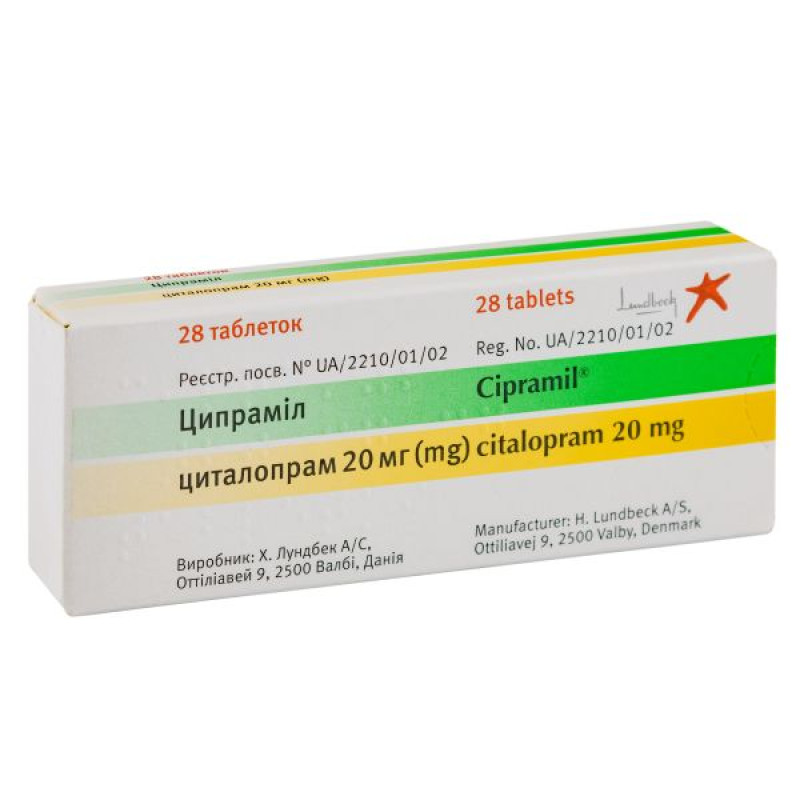
20 мг
Drivers
With caution
For allergies
With caution
For children
It is impossible.
Form
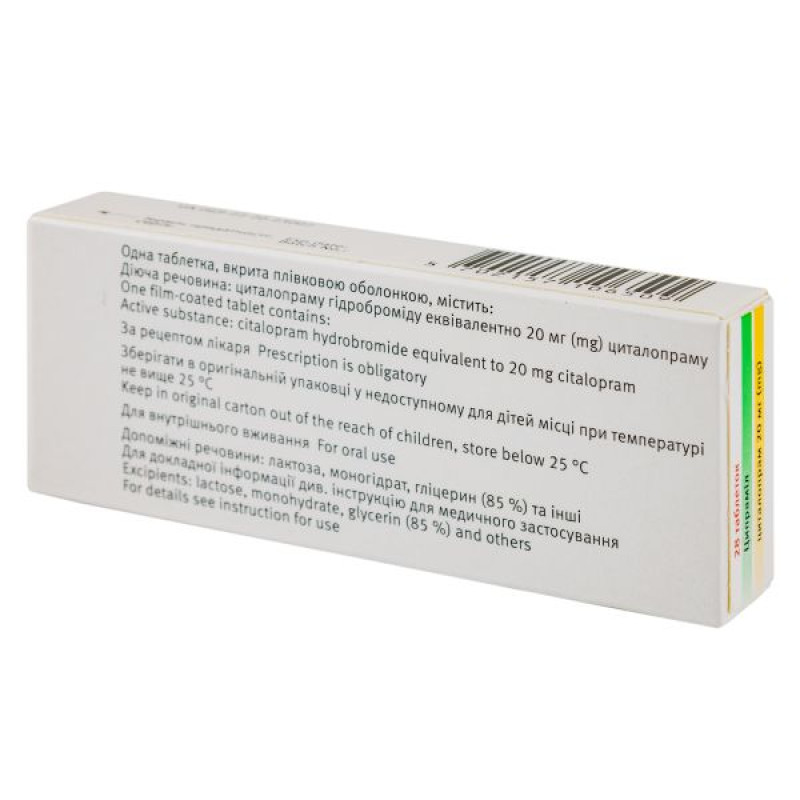
Film-coated tablets
Method of application
Inside, solid
Nursing
It is impossible.
Pregnant
It is impossible.
Primary packaging
blister
Producer
H. Lundbeck
Quantity per package
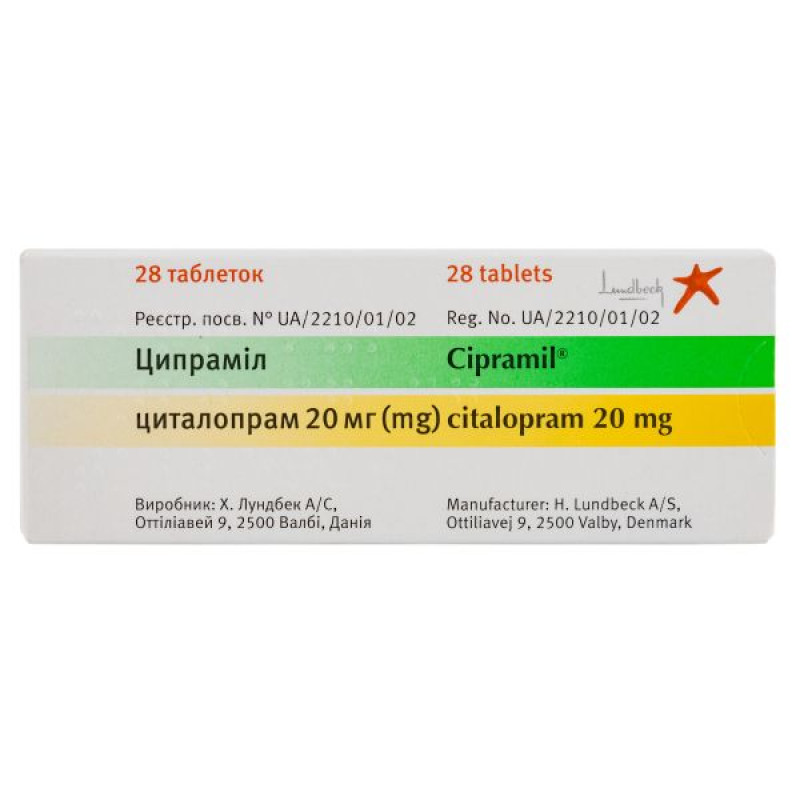
28 pcs
Trade name
Cipramil
Vacation conditions
By prescription
Reviews
There are no reviews for this product.
Write a review
There are no reviews for this product, be the first to leave your review.
Answers & questions
Add your question and we will answer as soon as possible.
Ask a question
Add your question and we will answer as soon as possible.
No questions about this product, be the first and ask your question.