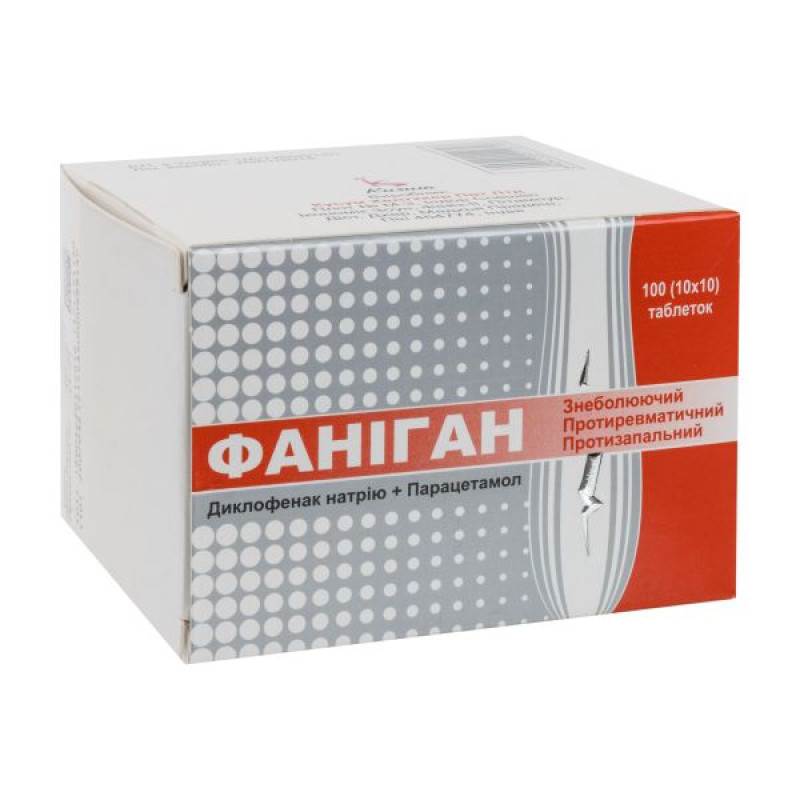
Instructions for Fanigan tablets No. 100
Composition
active ingredients: paracetamol, diclofenac sodium;
1 tablet contains paracetamol 500 mg, diclofenac sodium 50 mg;
excipients: corn starch, povidone K-30, croscarmellose sodium, microcrystalline cellulose, magnesium stearate, sunset yellow FCF (E 110).
Dosage form
Pills.
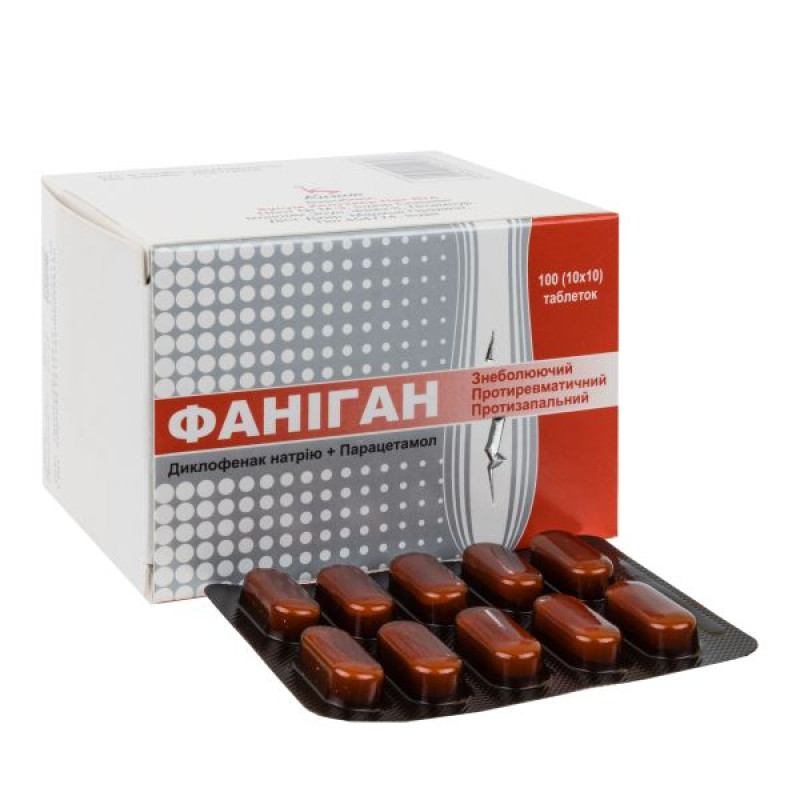
Main physicochemical properties: capsule-shaped tablets, orange in color with white inclusions.
Pharmacotherapeutic group
Nonsteroidal anti-inflammatory and antirheumatic drugs.
ATX code M01A B55.
Pharmacological properties
Pharmacodynamics
Fanigan is a combined drug that has a pronounced anti-inflammatory, analgesic and antipyretic effect. The pharmacological activity of the drug is due to the properties of diclofenac and paracetamol, which are part of the drug.
Diclofenac sodium has a pronounced anti-inflammatory and analgesic, as well as a moderate antipyretic effect. Paracetamol exhibits a pronounced analgesic, minor antipyretic and anti-inflammatory effect. The mechanism of action is associated with inhibition of prostaglandin synthesis.
Pharmacokinetics
Diclofenac
Diclofenac sodium is rapidly absorbed into the blood - the maximum concentration in the blood plasma is reached after 1-2 hours. Binding to blood plasma proteins is over 99%. It penetrates well into tissues and synovial fluid, where its concentration increases slowly, after 4 hours it reaches higher values than in the blood plasma. Food can slow down the rate of absorption, without affecting the completeness of absorption. Bioavailability is about 5%.
The half-life from blood plasma is 1-2 hours, from synovial fluid - 3-6 hours. About 35% is excreted in the form of metabolites with feces; about 65% is metabolized in the liver and excreted by the kidneys in the form of inactive derivatives, about 1% - in unchanged form.
Paracetamol
Paracetamol is rapidly and almost completely absorbed from the gastrointestinal tract. Peak plasma concentrations are reached within 30-60 minutes. The half-life is 1-4 hours. It is evenly distributed throughout all body fluids. Plasma protein binding is variable. Paracetamol is metabolized in the liver and excreted mainly by the kidneys in the form of conjugated metabolites.
After repeated use of the drug, the pharmacokinetic parameters of the active substances do not change. Provided that the recommended intervals between taking the tablets are observed, cumulation of the drug is not observed.
Indication
Acute pain (muscular, headache, dental, localized in the spine), in non-articular rheumatism, rheumatoid arthritis, ankylosing spondylitis, osteoarthritis, spondyloarthritis, acute attacks of gout, primary dysmenorrhea, adnexitis, pharyngotonsillitis, otitis; post-traumatic and postoperative pain syndrome.
Contraindication
Hypersensitivity to diclofenac, paracetamol or any other component of the drug; acute gastric or intestinal ulcer; gastrointestinal bleeding or perforation; history of gastrointestinal bleeding or perforation associated with previous treatment with nonsteroidal anti-inflammatory drugs (NSAIDs); active ulcer/bleeding or history of recurrent ulcer/bleeding (two or more separate episodes of diagnosed ulcer or bleeding); high risk of postoperative bleeding, blood clotting, hemostasis disorders, hematopoietic disorders or cerebrovascular bleeding; hepatic failure; renal failure; congestive heart failure (NYHA II–IV); ischemic heart disease in patients with angina pectoris and who have had a myocardial infarction; patients who, in response to the use of ibuprofen, diclofenac, paracetamol, acetylsalicylic acid or other NSAIDs, develop attacks of bronchial asthma ("aspirin asthma"), angioedema, urticaria or acute rhinitis, nasal polyps and other allergic symptoms; blood diseases, hematopoietic disorders of unknown genesis, leukopenia, severe anemia; congenital hyperbilirubinemia, Gilbert's syndrome; glucose-6-phosphate dehydrogenase deficiency; inflammatory bowel diseases (Crohn's disease or ulcerative colitis); alcoholism; treatment of postoperative pain in coronary artery bypass grafting (or the use of an artificial blood circulation device); peripheral artery disease; cerebrovascular disease in patients who have had a stroke or have episodes of transient ischemic attacks.
Interaction with other medicinal products and other types of interactions
Diclofenac
Lithium: Diclofenac may increase plasma lithium concentrations when used concomitantly. Monitoring of serum lithium levels is recommended.
Diuretics and antihypertensives. As with other NSAIDs, concomitant use of diclofenac with diuretics and antihypertensives (e.g. β-blockers, angiotensin-converting enzyme (ACE) inhibitors) may lead to a reduction in their antihypertensive effect by inhibiting the synthesis of vasodilator prostaglandins. Therefore, such a combination should be used with caution and patients, especially the elderly, should be closely monitored for blood pressure. Patients should be adequately hydrated and monitoring of renal function is recommended after initiation of concomitant therapy and regularly thereafter, especially with diuretics and ACE inhibitors, due to the increased risk of nephrotoxicity.
Drugs known to cause hyperkalemia: Concomitant treatment with potassium-sparing diuretics, cyclosporine, tacrolimus, or trimethoprim may be associated with increases in serum potassium, and patients should be monitored more frequently.
Anticoagulants and antithrombotic agents. Concomitant use may increase the risk of bleeding, therefore precautions are recommended. Although there is no conclusive evidence of the effect of diclofenac on the activity of anticoagulants, there is some evidence of an increased risk of bleeding in patients receiving diclofenac and anticoagulants concomitantly. Therefore, close monitoring of such patients is recommended to ensure that no changes in the dosage of anticoagulants are necessary. As with other non-steroidal anti-inflammatory drugs, diclofenac in high doses may temporarily inhibit platelet aggregation.
Other NSAIDs, including selective cyclooxygenase-2 inhibitors, and corticosteroids. Concomitant use of diclofenac and other NSAIDs or corticosteroids may increase the risk of gastrointestinal bleeding or ulceration. The concomitant use of two or more NSAIDs should be avoided.
Selective serotonin reuptake inhibitors (SSRIs)
Concomitant use of NSAIDs and SSRIs may increase the risk of gastrointestinal bleeding.
Antidiabetic agents. It has been shown that diclofenac can be used together with oral antidiabetic agents without altering their therapeutic effect. However, there are some reports of both hypoglycemia and hyperglycemia in such cases, which necessitated a change in the dose of antidiabetic agents during the use of diclofenac. For this reason, as a precautionary measure, it is recommended to monitor blood glucose levels during combination therapy.
Methotrexate. Diclofenac may inhibit the renal tubular clearance of methotrexate, leading to increased methotrexate levels. Caution should be exercised when NSAIDs, including diclofenac, are administered less than 24 hours before methotrexate, as this may increase the blood concentration of methotrexate and increase its toxicity. There are reports of serious toxicity when the interval between administration of methotrexate and NSAIDs, including diclofenac, was within 24 hours. This interaction is mediated by accumulation of methotrexate as a result of impaired renal excretion in the presence of NSAIDs.
Cyclosporine. The effect of diclofenac, like other NSAIDs, on prostaglandin synthesis in the kidneys may enhance the nephrotoxicity of cyclosporine, therefore diclofenac should be used in lower doses than for patients not taking cyclosporine.
Tacrolimus: There is a possible increased risk of nephrotoxicity when NSAIDs are used with tacrolimus, which may be mediated by the renal antiprostaglandin effects of NSAIDs and calcineurin inhibitors.
Quinolone antibacterials. Convulsions may occur in patients receiving concomitant quinolones and NSAIDs. This may occur in patients with or without a history of epilepsy and seizures. Therefore, caution should be exercised when considering the use of a quinolone in patients already receiving NSAIDs.
Phenytoin: When phenytoin is used concomitantly with diclofenac, monitoring of phenytoin plasma concentrations is recommended due to the expected increase in phenytoin exposure.
Colestipol and cholestyramine. These drugs may delay or reduce the absorption of diclofenac. Therefore, it is recommended to administer diclofenac at least 1 hour before or 4-6 hours after colestipol/cholestyramine.
Cardiac glycosides: Concomitant use of cardiac glycosides and NSAIDs may exacerbate heart failure, reduce GFR, and increase plasma glycoside levels.
Mifepristone: NSAIDs should not be used for 8-12 days after mifepristone administration, as NSAIDs may reduce the effect of mifepristone.
Potent CYP2C9 inhibitors: Caution should be exercised when co-administering diclofenac with potent CYP2C9 inhibitors (e.g. voriconazole), which may lead to a significant increase in maximum plasma concentrations and exposure to diclofenac due to inhibition of diclofenac metabolism.
Drugs that induce drug-metabolizing enzymes. Drugs that induce enzymes, such as rifampicin, carbamazepine, phenytoin, St. John's wort (Hypericum perforatum), etc., are theoretically capable of reducing diclofenac plasma concentrations.
The rate of absorption of paracetamol may be increased by metoclopramide and domperidone and decreased by cholestyramine. The anticoagulant effect of warfarin and other coumarins may be enhanced by long-term regular daily use of paracetamol, with an increased risk of bleeding. Intermittent use has no significant effect.
Barbiturates reduce the antipyretic effect of paracetamol
Anticonvulsants (including phenytoin, barbiturates, carbamazepine), which stimulate the activity of liver microsomal enzymes, may enhance the toxic effect of paracetamol on the liver due to an increase in the degree of conversion of the drug to hepatotoxic metabolites. With the simultaneous use of paracetamol with hepatotoxic agents, the toxic effect of drugs on the liver increases.
Simultaneous use of high doses of paracetamol with isoniazid, rifampicin increases the risk of developing hepatotoxic syndrome. Paracetamol reduces the effectiveness of diuretics.
Do not use simultaneously with alcohol.
Application features
For diclofenac
To minimize undesirable effects, treatment should be initiated at the lowest effective dose for the shortest period of time necessary to control symptoms.
The concomitant use of diclofenac with systemic NSAIDs such as selective cyclooxygenase-2 inhibitors should be avoided due to the lack of any evidence of a synergistic effect and due to potential additive side effects.
Caution is required in elderly patients. In particular, it is recommended to use the lowest effective dose in frail elderly patients or those with low body weight.
As with other NSAIDs, allergic reactions, including anaphylactic/anaphylactoid reactions, may occur, even without prior exposure to diclofenac.
Due to its pharmacodynamic properties, diclofenac, like other NSAIDs, may mask the signs and symptoms of infection.
Effects on the digestive tract
Gastrointestinal bleeding (hemorrhage, melena), ulceration or perforation, which can be fatal and can occur at any time during treatment with or without warning symptoms or a previous history of serious gastrointestinal events, have been reported with all NSAIDs, including diclofenac. These events are usually more severe in the elderly. If gastrointestinal bleeding or ulceration occurs in patients receiving diclofenac, the drug should be discontinued.
As with other NSAIDs, including diclofenac, medical supervision and special caution are required in patients presenting with symptoms suggestive of gastrointestinal (GI) disorders. The risk of GI bleeding, ulceration or perforation increases with increasing dose of NSAIDs, including diclofenac.
Elderly patients have an increased frequency of adverse reactions to NSAIDs, especially gastrointestinal bleeding and perforation, which can be fatal.
To reduce the risk of such gastrointestinal toxicity, treatment should be initiated and maintained at the lowest effective dose. For such patients, as well as those requiring concomitant use of medicinal products containing low doses of acetylsalicylic acid (ASA/aspirin) or other medicinal products likely to increase the risk of gastrointestinal adverse effects, combination therapy with protective agents (e.g. proton pump inhibitors or misoprostol) should be considered. Patients with a history of gastrointestinal toxicity, particularly the elderly, should report any unusual abdominal symptoms (especially gastrointestinal bleeding). Caution is also required in patients receiving concomitant medicinal products that may increase the risk of ulceration or bleeding, such as systemic corticosteroids, anticoagulants (e.g. warfarin), antithrombotic agents (e.g. ASA) or selective serotonin reuptake inhibitors.
Effect on the liver
Close medical supervision is required when diclofenac is prescribed to patients with impaired liver function, as their condition may worsen.
As with other NSAIDs, including diclofenac, the level of one or more liver enzymes may increase.
During long-term treatment with Fanigan, regular monitoring of liver function and liver enzyme levels should be performed as a precautionary measure. If liver function abnormalities persist or worsen and if clinical signs or symptoms suggestive of progressive liver disease or if other manifestations are observed (e.g. eosinophilia, rash), Fanigan should be discontinued. Diseases such as hepatitis may occur without prodromal symptoms. Caution is required when Fanigan is used in patients with hepatic porphyria, as it may precipitate an attack.
Since cases of fluid retention and edema have been reported with NSAIDs, including diclofenac, special attention should be paid to patients with impaired cardiac or renal function, a history of hypertension, elderly patients, patients receiving concomitant therapy with diuretics or drugs that significantly affect renal function, and patients with a significant decrease in extracellular fluid volume for any reason, for example, before or after major surgery. In such cases, monitoring of renal function is recommended as a precautionary measure. Discontinuation of therapy usually leads to a return to the state that existed before treatment.
Effects on the skin
Serious skin reactions (some of which were fatal, including exfoliative dermatitis, Stevens-Johnson syndrome and toxic epidermal necrolysis) have been reported very rarely in association with the use of NSAIDs, including diclofenac. Patients are at highest risk of developing these reactions at the beginning of therapy: the onset of the reaction is noted in most cases within the first month of treatment. The use of Fanigan should be discontinued at the first appearance of skin rashes, mucosal lesions or any other sign of hypersensitivity.
SLE and mixed connective tissue diseases.
Patients with systemic lupus erythematosus (SLE) and mixed connective tissue diseases may be at increased risk of developing aseptic meningitis.
Cardiovascular and cerebrovascular effects
Diclofenac should only be prescribed to patients with significant risk factors for cardiovascular events (such as hypertension, hyperlipidemia, diabetes mellitus, smoking) after careful clinical evaluation. Since the cardiovascular risks of diclofenac may increase with increasing dose and duration of treatment, it should be used for the shortest possible period and at the lowest effective dose. The patient's need for diclofenac to relieve symptoms and the response to therapy should be periodically reviewed.
For patients with a history of hypertension and/or mild to moderate congestive heart failure, appropriate monitoring and advice is necessary, as fluid retention and oedema have been reported in association with the use of NSAIDs, including diclofenac.
Clinical trial data and epidemiological data suggest that the use of diclofenac, especially at high doses (150 mg/day) and with long-term treatment, may be associated with a small increased risk of arterial thrombotic events (e.g. myocardial infarction or stroke).
Diclofenac is not recommended for use in patients with uncontrolled hypertension, congestive heart failure, stable ischemic heart disease and/or cerebrovascular disease, and should only be used after a careful risk-benefit assessment at a dose not exceeding 100 mg/day. A similar assessment should be made before initiating long-term treatment in patients with risk factors for cardiovascular events (e.g. hypertension, hyperlipidemia, diabetes mellitus and smokers).
Patients should be informed of the possibility of serious antithrombotic events (chest pain, shortness of breath, weakness, speech disorders) that may occur at any time. In this case, a doctor should be consulted immediately.
Effect on hematological parameters
With prolonged use of this drug, as with other NSAIDs, monitoring of complete blood counts is recommended.
Diclofenac may temporarily inhibit platelet aggregation. Patients with impaired hemostasis, hemorrhagic diathesis or hematological disorders should be carefully monitored.
History of asthma
Patients with asthma, seasonal allergic rhinitis, swelling of the nasal mucosa (i.e. nasal polyps), chronic obstructive pulmonary disease or chronic respiratory infections (especially those associated with allergic rhinitis-like symptoms) are more likely to experience reactions to NSAIDs, such as exacerbation of asthma (so-called analgesic intolerance/analgesic asthma), angioedema or urticaria. Therefore, special precautions (emergency medical attention) are recommended for such patients. This also applies to patients with allergic reactions to other substances, such as rash, itching or urticaria.
Like other drugs that inhibit prostaglandin synthetase activity, diclofenac sodium and other NSAIDs can provoke the development of bronchospasm when used in patients suffering from bronchial asthma or in patients with a history of bronchial asthma.
Fertility in women
Diclofenac may impair female fertility and is not recommended in women attempting to conceive. In women who may have difficulty conceiving or who are undergoing investigation of infertility, discontinuation of Fanigan should be considered.
For paracetamol
Before using the drug, you should consult a doctor if the patient is taking warfarin or similar drugs that have an anticoagulant effect. It should be borne in mind that in patients with alcoholic non-cirrhotic liver damage, the risk of hepatotoxic effects of paracetamol increases; the drug may affect the results of laboratory tests for blood glucose and uric acid. Patients who take analgesics every day for mild arthritis should consult a doctor. In patients with severe infections, such as sepsis, which are accompanied by a decrease in glutathione levels, the risk of metabolic acidosis increases when taking paracetamol. Symptoms of metabolic acidosis are deep, rapid or difficult breathing, nausea, vomiting, loss of appetite. You should immediately consult a doctor if these symptoms occur.
Do not exceed the indicated doses.
Do not take the drug simultaneously with other products containing paracetamol.
If symptoms persist, you should consult a doctor.
If the headache becomes persistent, you should see a doctor.
Keep the drug out of the sight and reach of children.
The drug contains the dye sunset yellow FCF (E 110), therefore it may cause allergic reactions.
Ability to influence reaction speed when driving vehicles or other mechanisms
Patients who experience visual disturbances, dizziness (vertigo), drowsiness, lethargy, fatigue, or other central nervous system disorders during treatment with the drug should refrain from driving or operating machinery.
Use during pregnancy or breastfeeding
The drug is contraindicated during pregnancy or breastfeeding.
Method of administration and doses
The dose is determined by the doctor for each patient individually, depending on the patient's age, the nature and course of the disease, individual tolerability and therapeutic efficacy of the drug. The drug should be used in the lowest effective doses for the shortest period of time, taking into account the treatment goals for each individual patient.
Adults and children over 14 years old - 1 tablet 2-3 times a day after meals.
The interval between doses is at least 4 hours.
The duration of treatment is no more than 5-7 days and depends on the course of the disease.
The maximum daily dose of the drug for adults and children over 14 years of age is no more than 3 tablets.
The maximum period of use without consulting a doctor is 3 days.
Do not exceed the recommended dose.
Do not take with other medicines containing paracetamol.
Children
The drug is contraindicated in children under 14 years of age.
Overdose
Diclofenac
Symptoms
There is no typical clinical picture of diclofenac overdose. Overdose may cause symptoms such as headache, nausea, vomiting, epigastric pain, gastrointestinal bleeding, diarrhea, dizziness, disorientation, agitation, coma, drowsiness, tinnitus, or convulsions. Acute renal failure and liver damage are possible in severe intoxication.
Treatment
Treatment of acute poisoning with NSAIDs, including diclofenac, consists of supportive and symptomatic therapy. This applies to the treatment of manifestations such as arterial hypotension, renal failure, convulsions, gastrointestinal disorders, respiratory depression. It is unlikely that such specific therapeutic measures as forced diuresis, dialysis or hemoperfusion will be effective in removing NSAIDs, including diclofenac, since the active substances of these drugs are largely bound to blood proteins and undergo intensive metabolism. Activated charcoal may be used after ingestion of potentially toxic doses, and gastric decontamination (e.g., induction of vomiting, gastric lavage) after ingestion of potentially life-threatening doses.
Paracetamol
Liver damage may occur in adults who have taken 10 g or more of paracetamol and in children who have taken more than 150 mg/kg of body weight. In patients with risk factors (long-term use of carbamazepine, phenobarbitone, phenytoin, primidone, rifampicin, St. John's wort or other drugs that induce liver enzymes; alcohol abuse; glutathione system deficiency, e.g. digestive disorders, HIV infection, starvation, cystic fibrosis, cachexia), taking 5 g or more of paracetamol may lead to liver damage.
With prolonged use of the drug in high doses, aplastic anemia, pancytopenia, agranulocytosis, neutropenia, leukopenia, thrombocytopenia may develop from the hematopoietic system. When taking large doses, from the nervous system - dizziness, psychomotor agitation and disorientation; from the urinary system - nephrotoxicity (renal colic, interstitial nephritis, papillary necrosis); from the digestive system - hepatonecrosis.
Treatment: urgent measures of supportive and symptomatic therapy.
In case of overdose, immediate medical attention is required. The patient should be taken to hospital immediately, even if there are no early symptoms of overdose. Symptoms may be limited to nausea and vomiting or may not reflect the severity of the overdose or the risk of organ damage.
If the overdose has been taken within 1 hour, activated charcoal should be considered. Plasma paracetamol concentrations should be measured 4 hours or later after ingestion (earlier concentrations are unreliable). N-acetylcysteine treatment can be used up to 24 hours after ingestion, but maximum protection is obtained when administered within 8 hours of ingestion. The efficacy of the antidote decreases sharply after this time. If necessary, the patient should be given N-acetylcysteine intravenously according to the established dose schedule. In the absence of vomiting, oral methionine may be used as a suitable alternative in remote areas outside the hospital.
Supportive and symptomatic treatment is indicated for complications such as hypotension, renal failure, convulsions, gastrointestinal disturbances and respiratory depression. Forced diuresis, haemodialysis or haemoperfusion are unlikely to be effective in removing non-steroidal anti-inflammatory drugs (NSAIDs) because the active substances of the drug are highly bound to plasma proteins and are extensively metabolised.
Adverse reactions
3. Blood and lymphatic system: thrombocytopenia, neutropenia, leukopenia, anemia, including aplastic and hemolytic anemia (especially for patients with glucose-6-phosphate dehydrogenase deficiency), sulfhemoglobinemia and methemoglobinemia (cyanosis, shortness of breath, heart pain), agranulocytosis, pancytopenia, bruising, bleeding.
Immune system disorders: hypersensitivity reactions, anaphylactic/anaphylactoid reactions including hypotension and anaphylactic shock; angioedema (including facial oedema).
Skin and subcutaneous tissue disorders: pruritus, skin rash, erythema, mucosal rash, urticaria, bullous rash, eczema, exudative erythema multiforme, Stevens-Johnson syndrome, toxic epidermal necrolysis (Lyell's syndrome), exfoliative dermatitis, allergic dermatitis, hair loss, photosensitivity reactions, purpura, including allergic purpura.
On the part of the psyche: disorientation, depression, sleep disorders, insomnia, nightmares, irritability, anxiety, feelings of fear, psychotic disorders, psychomotor agitation, hallucinations.
3 nervous system: headache, dizziness, drowsiness, fatigue, paresthesia, sleep disturbances, insomnia, memory impairment, convulsions, anxiety, tremor, aseptic meningitis, taste disorders, cerebral circulation disorders, stroke, confusion, sensory disturbances, general malaise.
3. Visual organs: visual disturbances, blurred vision, diplopia, optic neuritis.
3 aspects of the auditory system: vertigo, tinnitus, tinnitus, hearing disorders.
Cardiovascular system: palpitations, tachycardia, shortness of breath, pain in the heart area, heart failure, myocardial infarction, hypertension, hypotension, vasculitis.
3. Respiratory, thoracic and mediastinal disorders: bronchial asthma (including dyspnea), bronchospasm (especially in patients sensitive to acetylsalicylic acid and other NSAIDs), chest pain, pneumonitis.
Gastrointestinal: nausea, vomiting, diarrhea, dyspepsia, abdominal pain, epigastric pain, flatulence, anorexia, gastritis, gastrointestinal bleeding (hemorrhage, melena, diarrhea with blood), gastric and intestinal ulcers, accompanied or not accompanied by bleeding or perforation (sometimes fatal, especially in elderly patients), colitis (including hemorrhagic colitis and exacerbation of ulcerative colitis or Crohn's disease), constipation, stomatitis (including ulcerative stomatitis), glossitis, esophageal dysfunction, diaphragmatic stenosis of the intestine, pancreatitis.
Hepatobiliary system: increased transaminase levels, hepatitis, jaundice, liver disorders, fulminant hepatitis, liver necrosis, liver failure.
Renal and urinary disorders: acute renal failure, hematuria, proteinuria, interstitial nephritis, nephrotic syndrome, renal papillary necrosis.
On the part of the endocrine system: hypoglycemia, up to hypoglycemic coma.
General disorders: fluid retention, edema, general weakness, increased sweating.
Clinical trial data and epidemiological data suggest an increased risk of thrombotic complications (e.g. myocardial infarction or stroke) associated with the use of diclofenac, particularly at high therapeutic doses (150 mg per day) and with long-term use.
Expiration date
3 years.
Storage conditions
Store at a temperature not exceeding 25 °C in the original packaging.
Keep out of reach of children.
Packaging
10 tablets in a blister, 10 blisters in a cardboard box.
Vacation category
According to the recipe.
Producer
Kusum Healthcare Pvt Ltd.
Location of the manufacturer and its business address
Plot No. M-3, Indore Special Economic Zone, Phase-II, Pithampur, Dist. Dhar, Madhya Pradesh, Pin 454774, India.