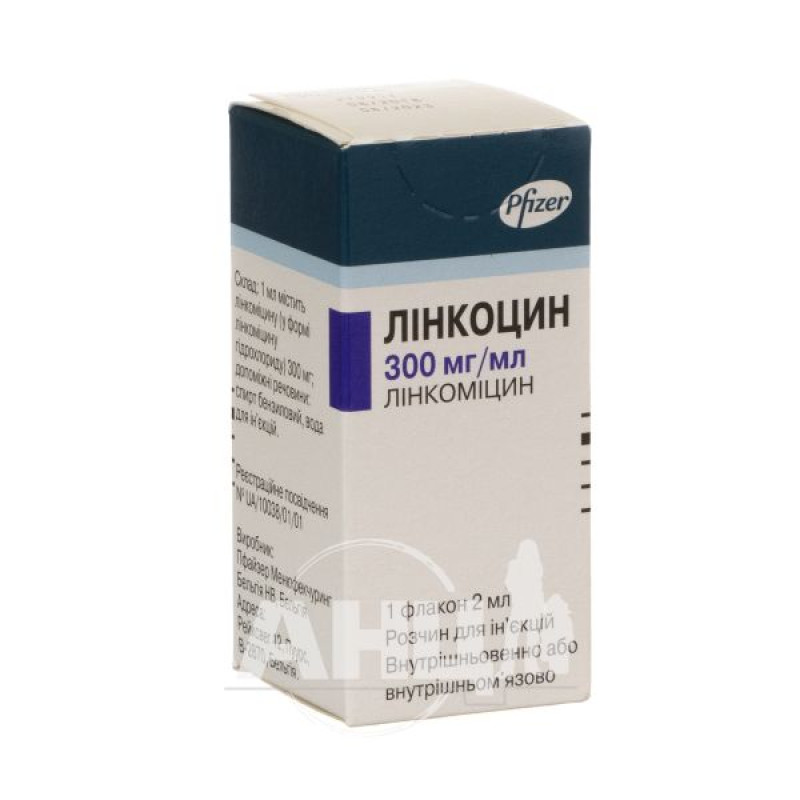
Lincocin injection solution is used to treat severe infections caused by lincomycin-sensitive strains of streptococci, pneumococci, and staphylococci.
Composition
Active ingredient: lincomycin;
1 ml contains lincomycin 300 mg (in the form of lincomycin hydrochloride);
Excipients: benzyl alcohol, water for injections.
Contraindication
Lincomycin is contraindicated in patients with a history of hypersensitivity to lincomycin, clindamycin, or any other component of the drug.
Method of application
Lincomycin should not be administered as a bolus of undiluted drug. Intravenously, the drug can only be administered by infusion lasting at least 1 hour.
If severe diarrhea develops during therapy, the use of this antibacterial agent should be discontinued.
Application features
Pregnant women
Should not be used during pregnancy unless treatment is absolutely necessary.
Children
Not for use in premature babies and newborns.
May cause toxic and allergic reactions in infants and children under 3 years of age.
Drivers
No particular effect on the reaction speed when driving or using other mechanisms was noted, but isolated cases of dizziness were reported.
Overdose
In case of overdose, secondary gastrointestinal disorders may occur, including abdominal pain, nausea, vomiting and diarrhea. Severe cardiopulmonary reactions have been described after too rapid intravenous administration of undiluted high doses. Such reactions did not occur if the drug was diluted according to the recommendations.
Treatment of overdose is possible by gastric lavage or induction of vomiting. There is no specific antidote known. Hemodialysis and peritoneal dialysis are ineffective in removing lincomycin from the blood.
Side effects
Central nervous system: headache, dizziness. Gastrointestinal: glossitis, stomatitis, nausea, heartburn, vomiting, abdominal discomfort and pain and persistent diarrhea, colitis (including pseudomembranous colitis, Clostridium difficile-associated colitis), candidiasis, itching in the anus, decreased appetite. Hematopoietic system: cases of neutropenia, leukopenia, agranulocytosis and thrombocytopenic purpura have been reported. There are isolated reports of aplastic anemia and pancytopenia, in which the effect of lincomycin as the cause of the adverse reaction cannot be excluded. Allergic reactions: angioedema, serum sickness and anaphylactic shock, some of them developed in patients with hypersensitivity to penicillin. Skin and mucous membranes: itching, skin rashes (vesicular, macular, roseola, punctate, urticaria, spotty), urticaria, vaginitis. Liver: jaundice and changes in liver test parameters (especially increased serum transaminase levels) may also be observed during lincomycin therapy. Cardiovascular system: episodes of hypotension have been reported after parenteral administration of the drug, especially with too rapid administration. Urinary system: impaired renal function (azotemia, oliguria, proteinuria), vaginitis. Sense organs: tinnitus, vertigo. Local reactions: with intramuscular injections, local irritation (hyperemia, itching), soreness, swelling, formation of induration and sterile abscess are possible. With intravenous administration, thrombophlebitis may occur.
Interaction
Lincomycin has the property of blocking neuromuscular transmission, may enhance the effect of other neuromuscular blocking agents; lincomycin should be prescribed with caution to patients receiving such drugs.
Antagonism has been shown between lincomycin and erythromycin in vitro. Therefore, the two drugs are not recommended for concomitant administration.
Storage conditions
Store in the original packaging at a temperature not exceeding 25 °C, out of the reach of children. Do not freeze.
Shelf life - 5 years.