Pharmacological properties
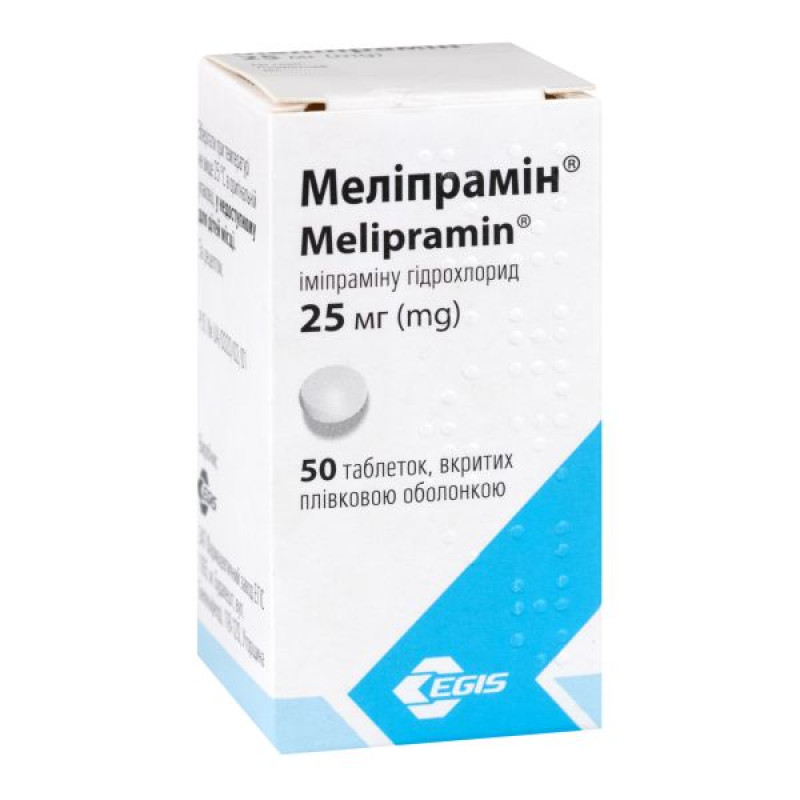
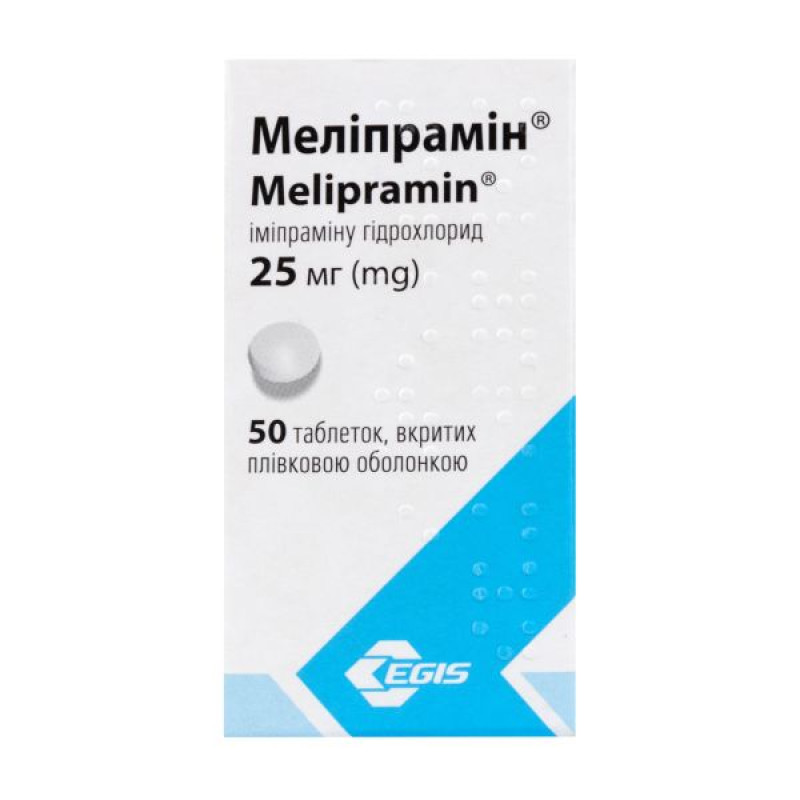
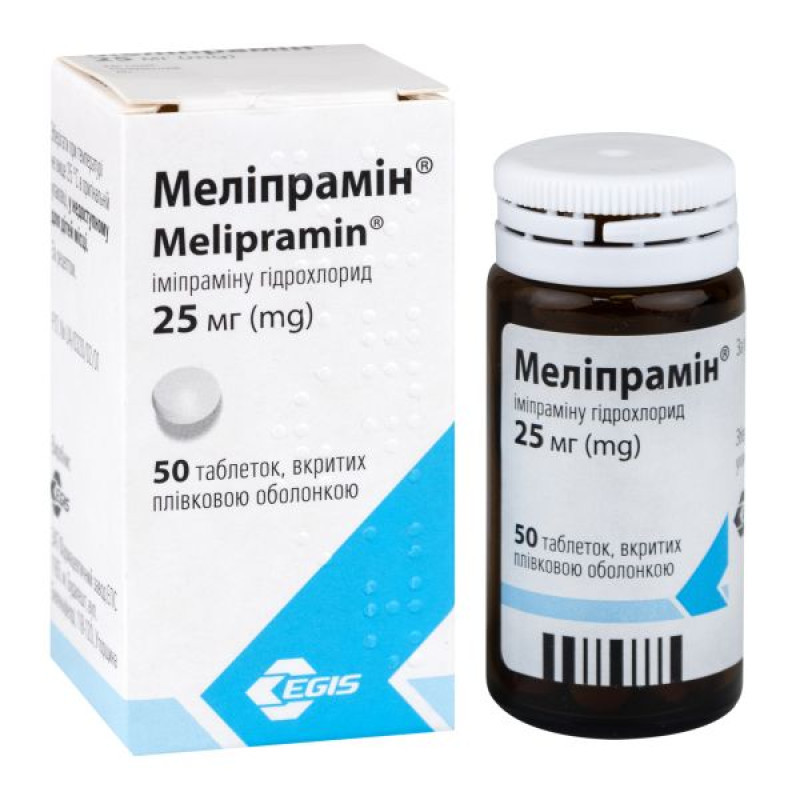
Imipramine; 5/3-dimethylaminopropyl / -10,11-dihydro-5n-dibenzo- / b, f / azepine monohydrochloride derivative of dibenzoazepine. belongs to the group of drugs called tricyclic antidepressants. has a thymoleptic effect, improves mood, reduces feelings of sadness. has a concomitant stimulating effect, causes a decrease in motor inhibition, increases mental and general tone of the body. has a central and peripheral m-cholinoblocking, myotropic (spasmolytic), moderate antihistamine effect.
When taken internally, imipramine is well absorbed in the gastrointestinal tract, bioavailability is 29-77%. It is rapidly distributed in tissues, easily penetrates the blood-brain barrier. Selectively accumulates in the brain, kidneys, liver. The maximum concentration in blood plasma is reached 1-2 hours after administration. Binding to blood plasma proteins is 76-95%.
Intensively metabolized in the liver. Within 24 hours, up to 40% of the taken imipramine is excreted in the urine as inactive metabolites, 1-2% - in unchanged form, about 20% - is excreted in the bile. The half-life is 4-24 hours. Therapeutic concentration in blood plasma is 0.05-0.16 mg/l, toxic - 0.7 mg/l, lethal - 2 mg/l.
Indication
In all forms of depression (with or without anxiety): deep depression, in the depressive phase of bipolar disorder, depression with atypical course, depressive states, dysthymia;
with panic disorders;
for nocturnal enuresis (in children over 6 years of age): as a short-term adjunctive therapy if organic causes have been excluded.
Application
dragee
Daily doses should be determined individually depending on the severity and origin of the symptoms. As with other antidepressants, to achieve an adequate therapeutic effect, a course of treatment of at least 2-4 weeks is required, sometimes 6-8 weeks. It is recommended to start therapy with Melipramine in low doses and gradually increase the daily dose until a maintenance dose is reached. During the treatment period, the minimum effective dose should be determined; caution is required when determining the dose for elderly and adolescent patients (under 18 years of age).
Solution for injection
Parenterally, Melipramine is used to treat depressed patients in a state of severe agitation or when oral administration is not possible. Depending on the patient's condition, the doctor may prescribe Melipramine injection solution only for a short time, and then switch to taking the drug in the form of a dragee.
Adult doses
Depression. Outpatient treatment of patients begins with a daily dose of 25 mg in dragees or 2 ml of solution for injection (1-3 times a day) i / m. The maximum daily dose with this method of administration is 100 mg. In the future, as the patient's condition improves, you can switch to treatment with the tablet form of the drug.
This dose can be gradually increased to 150-200 mg/day within 1 week. The maintenance dose is 50-100 mg/day. In hospitalized patients with severe depression, therapy is started at a daily dose of 75 mg/day. This dose can be gradually increased by adding 25 mg each time until 200 mg/day is reached. In exceptional cases, the daily dose can be increased to 300 mg/day.
Elderly patients (over 60 years of age) and adolescents (under 18 years of age). These patients are more susceptible to the drug, as a result of which they may experience adverse reactions in response to standard doses for adults. Therefore, treatment of these patients should be started with the lowest dose that controls the symptoms of the disease. Then, a gradual increase in the dose is possible until the daily dose is reached - 50-75 mg. It is recommended to achieve the optimal dose within 10 days with continued treatment at the same dose.
Panic disorders. Patients with such disorders are more prone to the development of side effects, so treatment should be started with a minimally low dose. Transient attacks of severe anxiety observed at the very beginning of Melipramine therapy can be controlled with the help of benzodiazepine derivatives. This auxiliary therapy is gradually canceled as the symptoms of anxiety disappear. The daily dose of Melipramine is gradually increased to 75-100 mg/day (as an exception - up to 200 mg/day). The course of treatment is long, at least 6 months. The course of therapy is completed by gradually reducing the dose and canceling the drug.
Doses for children
The following treatment regimens are recommended: children aged 6-8 years (20-25 kg) - 25 mg/day; children 9-12 years (25-35 kg) - 25-50 mg/day; over 12 years (35 kg) - 50-75 mg/day.
Therapy in children is carried out mainly with Melipramine in the form of tablets.
If a low initial dose is ineffective, higher doses can be used to achieve an adequate therapeutic effect, but within the framework of the scheme taking into account the age of the child. When treating children, it is necessary to ensure that the daily dose does not exceed 2.5 mg/kg of body weight per day. In each scheme, the lowest effective dose from the specified interval should be used. The daily dose can be administered in one dose before bedtime. If enuresis is noted in the early evening, it is recommended to divide the daily dose (one part - to the child during the day in the afternoon, the other - before bedtime). The duration of the course of treatment should not exceed 3 months. The maintenance dose should be selected as the symptoms improve. Before completely canceling the drug, a gradual decrease in the daily dose is recommended.
Contraindication
Melipramine dragee should not be used:
during pregnancy and breastfeeding;
allergies to other tricyclic antidepressants of the dibenzoazepine series;
during treatment with MAO inhibitors;
if you have a history of heart attacks (myocardial infarction) or heart rhythm disturbances (arrhythmias);
severe kidney and/or liver disease;
with urinary retention (prostatic hypertrophy);
in the presence of narrow-angle glaucoma.
Melipramine injection solution should not be administered to children under 6 years of age.
Side effects
The most common side effects of the drug are drowsiness, postural hypotension, tachycardia, and atropine-like symptoms: dry mouth, constipation, urinary retention, blurred vision, impaired accommodation, increased body temperature and intraocular pressure.
Other, less frequent, side effects are neurological: headache, peripheral neuropathy, tinnitus, extrapyramidal symptoms (tremor, ataxia, speech difficulty, especially in the elderly), confusion, delirium;
epileptogenic effect: primarily in patients with epilepsy or with a tendency to seizures;
cardiovascular: rarely, mainly after administration of large doses of the drug to particularly sensitive patients - arrhythmia, hypotension and/or vasospasm, manifested by blueness of the fingers;
gastrointestinal: very rarely - hepatitis with impaired liver function, yellowing of the skin and sclera, pain in the liver area, metallic taste in the mouth, inflammation of the oral mucosa (stomatitis), nausea, vomiting and in exceptional cases - paralytic intestinal obstruction;
allergic skin reactions (14-60 days after the start of treatment): urticaria, angioedema, photosensitivity;
endocrine: breast enlargement, galactorrhea, complications of diabetes mellitus, decreased glucose tolerance, very rarely - decreased production of antidiuretic hormone;
sexual disorders - decreased libido, impotence, painful ejaculation, orgasm disorders;
very rarely, mainly in the elderly, - changes in peripheral blood parameters during laboratory tests.
Special instructions
The therapeutic effect of melipramine develops gradually - within 2-4 weeks from the start of treatment. Therefore, maintenance therapy should be continued for at least 3, sometimes up to 6 months, until a significant improvement in the patient's condition occurs. Melipramine should be discontinued gradually - sudden cessation of treatment may lead to symptoms such as nausea, headache, discomfort, anxiety, sleep disturbances, arrhythmia, extrapyramidal symptoms, such as speech difficulties, especially in children.
Before starting the use of Melipramine, it is necessary to determine the functional state of the liver, kidneys, cardiovascular system, blood glucose level, blood pressure, and a complete blood count. Melipramine cannot be administered if electroconvulsive therapy is used.
When treating with monoamine oxidase inhibitors, it is necessary to wait 3-4 weeks before starting Melipramine. This will help prevent the occurrence of seizures, increased blood pressure or body temperature.
When switching from treatment with Melipramine to the use of MAO inhibitors, it is necessary to take a break for several days.
During the entire course of treatment with Melipramine, you should not drink alcoholic beverages.
If persistent constipation or difficulty urinating occurs during treatment, you should inform your doctor.
It is necessary to be very careful if epileptic seizures were noted before or during treatment with Melipramine. It is possible that other drugs should be prescribed to prevent seizures.
Due to the sedative effect of Melipramine, when using it, you cannot drive vehicles, work with mechanisms, or engage in activities that require increased attention.
Interactions
When using melipramine, it should be taken into account that:
atropine and similar drugs increase the incidence of side effects of Melipramine;
CNS depressants and alcohol enhance the sedative effect of Melipramine; benzodiazepines and weak neuroleptics enhance the sedative and anticholinergic effect of Melipramine;
Enzyme stimulants (alcohol, nicotine, meprobamate, barbiturates, antiepileptic drugs) enhance the breakdown of imipramine, reduce its level in blood plasma and thus reduce its antidepressant effect;
cimetidine, methylphenidate, oral contraceptives, steroids, neuroleptics, selective serotonin reuptake inhibitors reduce the breakdown of imipramine and therefore enhance the antidepressant effect and toxicity;
tricyclic antidepressants may increase the level of neuroleptic agents in the blood plasma (due to competitive binding by liver enzymes);
Thyroid hormones enhance the antidepressant effect of imipramine;
Imipramine reduces the hypotensive effect of adrenergic blockers (e.g. guanethidine) and α 2 -adrenergic receptor agonists (clonidine, methyldopa);
Imipramine enhances the pressor effect of sympathomimetics (primarily adrenaline, noradrenaline);
sympathomimetics (mainly adrenaline, noradrenaline, isoprenaline, ephedrine, phenylephrine): simultaneous administration with imipramine may lead to increased effects on the cardiovascular system;
Quinidine: simultaneous administration of this antiarrhythmic agent and tricyclic antidepressants should be avoided. During combined therapy, the risk of cardiac conduction disturbances and arrhythmias increases;
Oral anticoagulants: tricyclic antidepressants may inhibit the catabolism of oral anticoagulants, which may lead to a prolongation of the half-life and, as a consequence, an increased risk of bleeding. It is recommended to monitor prothrombin concentration during treatment;
Antidiabetic agents: changes in blood glucose concentrations may occur during treatment with imipramine. Regular monitoring of blood glucose levels is recommended at the beginning and end of treatment, as well as during dose adjustment.
Overdose
Symptoms: dizziness, agitation, ataxia, convulsions, stupor, coma, mydriasis, sinus tachycardia, arrhythmia, AV block, impaired repolarization, collapse (with high venous pressure), hypotension, respiratory depression, cyanosis, vomiting, fever.
Treatment: in case of suspected imipramine overdose, immediate hospitalization with constant supervision for at least 72 hours is necessary. There is no specific antidote. Supportive and symptomatic therapy is indicated. Due to the anticholinergic effect, gastric emptying is delayed for ≥12 hours; therefore, it is first necessary to remove the drug from the stomach. It is necessary to wash the stomach or induce vomiting, take activated charcoal. It is necessary to monitor the function of the cardiovascular system, as well as the gas and electrolyte composition of the blood. If necessary, anticonvulsant therapy is used (iv diazepam, phenytoin, phenobarbital, as well as inhalation anesthesia and muscle relaxants). Mechanical ventilation, an artificial pacemaker can be used. Plasma-substituting solutions, drip infusions of dopamine and dobutamine are administered. The need for resuscitation measures rarely arises. Neither hemodialysis nor peritoneal dialysis is effective due to the low plasma concentrations of imipramine. Forced diuresis is also ineffective due to the large volume of distribution of the drug. Severe bradycardia, asystole, and epileptic seizures have been associated with the use of physostigmine; therefore, physostigmine is not recommended in cases of imipramine overdose.
Storage conditions
At a temperature of 15-25 °C.