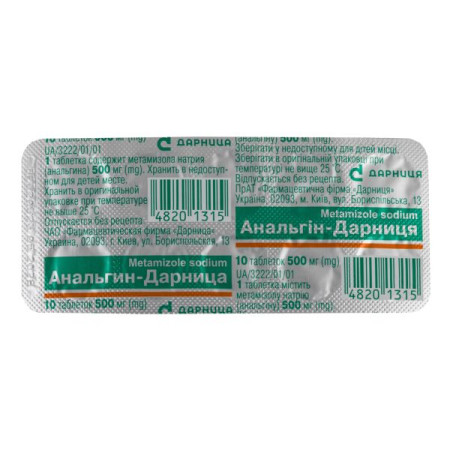
Instructions for Ofloxacin-Darnitsa tablets 200 mg No. 10
Composition
active ingredient: ofloxacin;
1 tablet contains 200 mg of ofloxacin;
Excipients: potato starch, hydroxypropyl cellulose, povidone, croscarmellose sodium, calcium stearate.
Dosage form
Pills.
Main physicochemical properties: tablets of white or white with a yellowish tint, flat-cylindrical shape with a bevel and a score.
Pharmacotherapeutic group
Antibacterials of the quinolone group. Fluoroquinolones. Ofloxacin. ATX code J01M A01.
Pharmacological properties
Pharmacodynamics.
The active ingredient of the drug is ofloxacin, a synthetic fluoroquinolone antimicrobial agent with a broad spectrum of action.
The mechanism of bactericidal action of the drug is associated with inhibition of DNA gyrase activity, which leads to the cessation of bacterial DNA replication.
Ofloxacin is active against most gram-negative bacteria: Escherichia coli, Klebsiella, Proteus, Salmonella, Shigella, Enterobacter, Citrobacter, Providentia, Pseudomonas, Hafnia, and Staphylococcus (including microflora resistant to methicillin and other antibiotics). Neisseria, Mycoplasma, Chlamydia, Campylobacter, Brucella, Vibrio, Aeromonas, Plesiomonas, Haemophilus influenzae, Versinia are also sensitive to ofloxacin.
The following organisms have variable sensitivity to ofloxacin: enterococci, streptococci (S. pyogenes, S. pneumoniae, S. viridans), Serratia marcescens, Pseudomonas aeruginosa, Acinetobacter, Mycoplasma (M. hominis, M. pneumoniae), mycobacteria of tuberculosis, and Mycobacterium fortuitum.
In most cases, the following are insensitive to ofloxacin: Ureaplasma urealyticum, Nocardia asteroides, anaerobic bacteria (e.g. Bacteroides spp., peptococci, peptostreptococcus, Eubacterium spp., Fusobacterium spp., Clostridium difficile).
Ofloxacin is ineffective against Treponema pallidum.
Pharmacokinetics.
Absorption.
After oral administration, ofloxacin is rapidly and completely absorbed from the gastrointestinal tract. Bioavailability is almost 100%.
The time to reach maximum plasma concentration (Tmax) is 0.5–3 hours. The maximum plasma concentration after a single dose of 200–400 mg of the drug (Cmax) is 2 and 5 mg/ml, respectively. Binding to plasma proteins is 25%.
Distribution.
Penetrates through the placenta, into breast milk, into all tissues and organs. The volume of distribution is within 1.5–2.5 l/kg.
Metabolism.
In limited quantities (up to 5%) it is metabolized by the liver to dimethyl-ofloxacin and ofloxacin-A-oxide. Dimethyl-ofloxacin has a moderate antimicrobial effect.
Excretion.
It is excreted from the body mainly by the kidneys, by tubular secretion and glomerular filtration: 75–80% of the administered dose is excreted unchanged within 24–48 hours, and less than 5% is excreted in the form of metabolites. 4–8% of the administered dose is excreted in the feces.
The elimination half-life (T1/2) is 4–6 hours. The elimination of ofloxacin is slowed down in patients with severe hepatic insufficiency and in patients with renal insufficiency (depending on the degree of insufficiency - up to 15–60 hours).
Indication
Infectious and inflammatory diseases caused by pathogens sensitive to ofloxacin:
– exacerbation of chronic obstructive pulmonary diseases (including chronic bronchitis)*, community-acquired pneumonia*;
– uncomplicated acute cystitis*, urethritis*, acute pyelonephritis and complicated urinary tract infections;
– complicated skin and soft tissue infections*;
– gonococcal urethritis and cervicitis caused by susceptible strains of Neisseria*.
Official recommendations on the appropriate use of antibacterial agents should be considered.
*When it is impossible to use other antibacterial agents that are usually used to treat this infection.
Contraindication
– Hypersensitivity to the active substance, other components of the drug or to other fluoroquinolones.
– Epilepsy, central nervous system damage with a lowered seizure threshold (after head injuries, stroke, inflammatory processes of the brain and meninges).
– History of tendinitis.
– Glucose-6-phosphate dehydrogenase deficiency.
The drug should not be used in patients with prolonged QT interval, uncompensated hypoglycemia, as well as in patients who are simultaneously taking medications with the ability to prolong the QT interval (class IA and III antiarrhythmic drugs, tricyclic antidepressants, macrolides, antipsychotics).
Interaction with other medicinal products and other types of interactions
When using the drug simultaneously with other drugs, the following interactions are possible:
with antacids containing aluminum/magnesium, sucralfate, zinc, iron preparations - reduced absorption of ofloxacin; it should be taken 2 hours before taking these medications;
with drugs that are excreted by tubular secretion (e.g. probenecid, cimetidine, furosemide, methotrexate) - impaired excretion and increased plasma levels of ofloxacin;
with nonsteroidal anti-inflammatory drugs, drugs with the ability to lower the seizure threshold (for example, theophylline) - additional lowering of the seizure threshold of the brain; in case of seizures, the use of ofloxacin should be discontinued. It is believed that ofloxacin, unlike other fluoroquinolones, does not enter into pharmacokinetic interaction with theophylline;
with antidiabetic drugs – fluctuations in blood glucose levels (hypo- or hyperglycemia); with simultaneous use, blood sugar levels should be monitored;
with indirect anticoagulants - prolongation of bleeding time; with simultaneous use, careful monitoring of coagulation test parameters should be carried out;
with glibenclamide - a slight increase in plasma levels of the latter; with simultaneous use, the patient's condition should be carefully monitored.
Impact on laboratory test results.
False-positive urine tests for opiates or porphyrins may occur during the use of ofloxacin. It may be necessary to confirm positive tests for opiates or porphyrins using more specific methods.
Vitamin K antagonists: Coagulation tests should be closely monitored in patients taking vitamin K antagonists due to the possible increase in the effect of coumarin derivatives.
When ofloxacin is used simultaneously with warfarin or its derivatives, it is necessary to monitor prothrombin time or perform other appropriate tests to check the state of blood coagulation.
Ofloxacin may inhibit the growth of Mycobacterium tuberculosis and give false negative results in bacteriological tests for the diagnosis of tuberculosis.
In case of using high doses of the drug, its concentration in the blood serum may increase.
When using ofloxacin with caffeine, theophylline, cimetidine, cyclosporine, oral anticoagulants and drugs that are metabolized with the participation of cytochrome P450, side effects may be increased.
Application features
Ofloxacin should be avoided in patients who have had serious adverse reactions to quinolones or fluoroquinolones in the past (see section 4.8). Treatment of these patients with ofloxacin should only be initiated when alternative treatment options are unavailable and after a careful benefit/risk assessment (see also section 4.8).
When using the drug, sufficient water should be consumed to avoid the development of crystalluria.
Ofloxacin is not a first-line drug for the treatment of community-acquired pneumonia caused by pneumococci or mycoplasmas, or acute tonsillitis caused by β-hemolytic streptococci.
When using the medicinal product, exposure to intense sunlight and ultraviolet radiation (mercury-quartz lamps, solariums) should be avoided.
Fluoroquinolones are recommended only for patients who have no alternative treatment options for acute bacterial sinusitis, exacerbation of chronic bronchitis of bacterial etiology, and uncomplicated urinary tract infections, as the benefits for such patients do not outweigh the risks.
Fluoroquinolone antibiotics should not be used:
– in the treatment of infections that are not severe and can resolve without antibacterial therapy (for example, oropharyngeal infections);
– in the treatment of non-bacterial infections, such as non-bacterial (chronic) prostatitis;
– to prevent traveler's diarrhea or recurrent lower urinary tract infections (infections that do not spread beyond the bladder);
– for the treatment of moderate bacterial infections when other commonly recommended antibacterial medicines cannot be used;
– patients with acute bacterial sinusitis, exacerbation of chronic bronchitis of bacterial etiology and uncomplicated urinary tract infections, if there is a possibility of using other (alternative) medicines.
Aortic aneurysm and dissection and regurgitation/insufficiency of the heart valve.
Epidemiological studies have reported an increased risk of aortic aneurysm and dissection, especially in elderly patients, and of aortic and mitral valve regurgitation after the use of fluoroquinolones. Cases of aortic aneurysm and dissection, sometimes complicated by rupture (including fatal cases), and of regurgitation/insufficiency of any of the cardiac valves have been reported in patients receiving fluoroquinolones (see section 4.8).
Therefore, fluoroquinolones should only be used after careful benefit-risk assessment and after consideration of other therapeutic options in patients with a positive family history of aneurysm or congenital heart valve disease, or in patients with an existing diagnosis of aortic aneurysm and/or dissection, or heart valve disease, or in the presence of other risk factors or predisposing conditions:
− in case of aortic aneurysm and dissection (e.g. vascular disorders such as Takayasu arteritis or giant cell arteritis, or known atherosclerosis, or Sjögren's syndrome), or additionally
− with regurgitation/insufficiency of the heart valve (e.g. infective endocarditis).
The risk of aortic aneurysm and dissection and their rupture may be increased in patients receiving concomitant systemic corticosteroids.
Patients should seek immediate medical attention in the emergency department if they experience sudden pain in the abdomen, chest, or back.
Patients should be advised to seek immediate medical attention in the event of acute shortness of breath, new onset of palpitations, or development of abdominal or lower extremity edema.
Patients with impaired renal function.
The drug should be used with caution in patients with impaired renal function. The dose and time of administration of the drug should be adjusted, taking into account its delayed elimination.
Patients with liver dysfunction.
The drug should be used with caution in patients with impaired liver function. Cases of fulminant hepatitis, potentially leading to liver failure (including fatal cases), have been reported during treatment with fluoroquinolones.
If symptoms of liver disease such as anorexia, jaundice, dark urine, itching or abdominal tenderness occur (see section "Adverse Reactions"), patients are advised to discontinue use of the medicinal product and consult a doctor.
Patients with central nervous system dysfunction.
The drug should be used with caution in patients with diseases of the central nervous system (severe cerebral atherosclerosis, previous acute cerebral circulatory insufficiency), patients with myasthenia gravis, and patients with a history of peripheral neuropathy.
Myasthenia gravis.
Fluoroquinolones, including ofloxacin, have neuromuscular blocking effects and may exacerbate muscle weakness in patients with myasthenia gravis. In the post-marketing setting, serious adverse reactions, including fatalities and conditions requiring respiratory support, have been associated with the use of fluoroquinolones in patients with myasthenia gravis.
Ofloxacin is not recommended for use in patients with a history of myasthenia gravis.
Patients with a history of psychotic disorders.
The drug should be used with caution in patients with mental illness or a history of psychotic disorders. Psychotic reactions have been reported in patients taking fluoroquinolones. In some cases, these reactions have progressed to suicidal ideation or self-harming behavior, including suicide attempts, sometimes even after a single dose of the drug.
If such reactions occur, the drug should be discontinued and appropriate medical measures should be taken.
Hypoglycemia.
Changes in blood glucose levels, including both hypoglycemia and hyperglycemia, have been reported with all quinolones (see Adverse Reactions).
The drug should be used with caution in patients with diabetes mellitus who are receiving concomitant treatment with oral hypoglycemic agents (e.g. glibenclamide) or insulin, due to the possibility of developing hypoglycemia. Cases of hypoglycemic coma have been reported. Patients with diabetes mellitus should be carefully monitored for blood glucose levels.
Patients with glucose-6-phosphate dehydrogenase deficiency.
The drug should be used with caution in patients with latent or confirmed glucose-6-phosphate dehydrogenase deficiency due to a possible predisposition to hemolytic reactions during treatment with fluoroquinolones.
QT prolongation.
In very rare cases, QT prolongation has been reported in patients taking fluoroquinolones.
The drug should be used with caution in patients with risk factors for QT prolongation, including:
· old age;
· uncorrected electrolyte imbalance (hypokalemia, hypomagnesemia);
· congenital long QT syndrome;
· acquired prolongation of the QT interval;
· heart disease (heart failure, myocardial infarction, bradycardia).
Elderly patients and women may be more sensitive to drugs that prolong the QT interval. Therefore, caution should be exercised when prescribing fluoroquinolones, including ofloxacin, to these groups of patients.
In rare cases, QT prolongation has been reported in patients taking fluoroquinolones.
Patients taking vitamin K antagonists.
The drug should be used with caution in patients taking vitamin K antagonists. There have been reports of increased coagulation tests (prothrombin time/international normalized ratio) and/or bleeding in patients taking fluoroquinolones (including ofloxacin) in combination with vitamin K antagonists (e.g. warfarin). Coagulation test results should be closely monitored.
Methicillin-resistant Staphylococcus aureus is likely to be cross-resistant to fluoroquinolones, including ofloxacin. Therefore, ofloxacin is not recommended for the treatment of known or suspected MRSA infections unless laboratory testing has confirmed susceptibility to ofloxacin.
Infections caused by Escherichia coli (Escherichia coli).
Resistance of E. coli, the most common cause of urinary tract infections, to fluoroquinolones varies across the European Union. Prescribing physicians are advised to take into account the local prevalence of E. coli resistance to fluoroquinolones.
Infections caused by gonococci (Neisseria gonorrhoeae).
Due to the increasing resistance of N. gonorrhoeae, ofloxacin should not be used as an empirical approach to antibacterial therapy for suspected gonococcal infection (gonococcal urethritis, pelvic inflammatory disease and epididymo-orchitis), unless the pathogen has been identified and its susceptibility to ofloxacin has been confirmed. If clinical improvement has not been achieved after 3 days of treatment, therapy should be reviewed.
Pelvic inflammatory disease.
For the treatment of pelvic inflammatory disease, ofloxacin should only be used in combination with drugs active against anaerobic microorganisms.
Diseases caused by Clostridium difficile.
Diarrhoea during or after treatment with ofloxacin (including several weeks after treatment), particularly if severe, persistent and/or bloody, may be a symptom of pseudomembranous colitis (caused by Clostridium difficile). The severity of Clostridium difficile-associated disease ranges from mild to life-threatening, with pseudomembranous colitis being the most severe form (see section 4.8). It is therefore important to consider this diagnosis in patients who develop severe diarrhoea during or after treatment with ofloxacin.
If pseudomembranous colitis is suspected, the drug should be discontinued immediately and appropriate specific antibiotic therapy should be initiated (e.g. oral vancomycin, oral teicoplanin or metronidazole). Drugs that inhibit intestinal motility are contraindicated in this clinical situation.
Patients with a tendency to seizures.
Quinolones may lower the seizure threshold and may precipitate seizures. Ofloxacin is contraindicated in patients with a history of epilepsy (see section 4.3). As with other quinolones, it should be used with extreme caution in patients prone to seizures and in patients receiving concomitant treatment with agents that lower the seizure threshold, such as theophylline (see section 4.5).
If seizures occur, the drug should be discontinued.
Prevention of photosensitization.
Photosensitivity has been reported with ofloxacin (see section 4.8). Patients taking ofloxacin should avoid exposure to intense sunlight and ultraviolet radiation (mercury-quartz lamps, solariums) unless absolutely necessary during treatment and for 48 hours after discontinuation of the drug.
Tendinitis and tendon rupture.
Tendinitis, which may lead to tendon rupture, especially of the Achilles tendon, has been reported rarely during treatment with ofloxacin. Tendinitis and tendon rupture, sometimes bilateral, may occur within 48 hours of starting treatment with quinolones and fluoroquinolones and have been reported to occur even up to several months after stopping treatment. The risk of this pathology is increased in elderly patients, after organ transplantation, with renal insufficiency, and in patients receiving concomitant corticosteroids. Therefore, concomitant use of corticosteroids should be avoided.
The daily dose is calculated based on creatinine clearance (see section "Method of administration and dosage"). If tendinitis is suspected (e.g. swelling or inflammation of the joints), the drug should be discontinued immediately, your doctor should be consulted and appropriate therapeutic measures should be taken for the affected tendon (e.g. immobilization). Corticosteroids should not be used if signs of tendinopathy occur.
Hypersensitivity reactions.
Allergic and hypersensitivity reactions have been reported with ofloxacin after the initial dose of fluoroquinolones. Anaphylactic and anaphylactoid reactions may progress to life-threatening shock, even after the initial dose. In such cases, the drug should be discontinued immediately and appropriate therapeutic measures should be taken. The drug should be avoided in patients with a history of severe adverse reactions (tendinitis, severe neurological reactions) to other quinolones, due to an increased risk of developing similar reactions to ofloxacin. Treatment of these patients should only be initiated when no alternative treatment options are available and after a careful benefit/risk assessment.
Cases of severe bullous skin reactions, such as Stevens-Johnson syndrome and toxic epidermal necrolysis, have been reported with ofloxacin (see section 4.8). In the event of skin and/or mucous membrane reactions, patients should be advised to contact their doctor immediately before continuing treatment.
Prolonged, disabling and potentially irreversible serious adverse reactions.
When using quinolones and fluoroquinolones, regardless of the patient's age and pre-existing risk factors, very rare long-term (months or years) and potentially irreversible, and sometimes combined, adverse reactions from the tendons, muscles, joints, sensory organs, peripheral nerves and the central nervous system, and psyche may occur, which can lead to disability. If these disorders or their first symptoms occur (tendinitis, tendon rupture, arthralgia, pain in the extremities, gait disturbance, muscle weakness, neuropathy, paresthesia (tingling sensation, numbness in the arms or legs), depression, fatigue, confusion and hallucinations, memory impairment, sleep disturbances, hearing impairment, vision impairment, taste and smell impairment), the drug should be immediately discontinued, and a doctor should be consulted regarding the possibility of switching to other antibacterial drugs to complete the course of treatment.
Peripheral neuropathy.
Peripheral sensory or sensorimotor polyneuropathy resulting in paresthesia or hypesthesia, dysesthesia or weakness has been reported in patients receiving quinolones and fluoroquinolones (including ofloxacin) during treatment with ofloxacin. Patients receiving Ofloxacin-Darnitsa should be advised to discontinue treatment if symptoms of neuropathy (pain, burning, tingling, numbness and/or weakness in the arms or legs) occur, to prevent the development of an irreversible condition.
Vision impairment
If any visual disturbances or adverse reactions from the visual organs occur while taking ofloxacin, you should immediately consult an ophthalmologist (see sections “Ability to affect the speed of reactions when driving vehicles or using other mechanisms” and “Adverse reactions”).
Other important information.
Treatment with antibacterial agents (including ofloxacin), especially for prolonged periods, may lead to increased growth of resistant microorganisms. The patient's condition should be monitored and appropriate therapeutic measures should be taken in the event of a secondary infection.
It is not recommended to drink alcoholic beverages during treatment with ofloxacin.
Important information about excipients.
The medicine contains sodium, so patients on a controlled sodium diet should be careful when using it.
Use during pregnancy or breastfeeding
Animal studies have shown damage to articular cartilage in immature animals, but no teratogenic effects. Therefore, ofloxacin is contraindicated during pregnancy or lactation.
Ofloxacin is excreted in human milk in small amounts. Because of the potential for arthropathy and other serious toxicity in the breastfed infant, breast-feeding should be discontinued during treatment with ofloxacin.
Ability to influence reaction speed when driving vehicles or other mechanisms
You should refrain from driving or operating machinery due to possible dizziness, impaired coordination, drowsiness, visual disturbances, and other nervous system reactions. These effects may be enhanced by alcohol.
Method of administration and doses
The drug is for oral use. The tablets should be swallowed with liquid. The interval between taking ofloxacin and taking sucralfate, zinc or iron preparations, antacids containing aluminum/magnesium should be at least 2 hours, since the absorption of ofloxacin may be reduced when taken simultaneously with these drugs.
Dosage.
The dose of the drug depends on the type and severity of the infectious disease. The dose range for adults is from 200 mg to 800 mg per day. Doses up to 400 mg can be taken at a time, preferably in the morning, and larger doses should be divided into two equal doses and taken at equal intervals of time.
Exacerbation of chronic obstructive pulmonary diseases (including chronic bronchitis), community-acquired pneumonia: the drug should be used at a dose of 400 mg once a day, if necessary - up to 400 mg 2 times a day.
Complicated skin and soft tissue infections: the drug should be used at a dose of 400 mg 2 times a day.
Urinary tract infections: doses and dosage regimens depending on the indication are given in Table 1.
Table 1
| Indication | Daily dosage regimen (according to severity) | Duration of treatment (according to severity) |
| Complicated urinary tract infections | 200 mg 2 times a day (can be increased to 400 mg 2 times a day) | 7–21 days |
| Acute pyelonephritis | 200 mg 2 times a day (can be increased to 400 mg 2 times a day) | 7–10 days (can be extended to 14 days) |
Acute prostatitis
Chronic bacterial prostatitis
200 mg 2 times a day (can be increased to 400 mg 2 times a day) | 2–4 weeks* 4–8 weeks* |
| Epididymo-orchitis | 200 mg 2 times a day (can be increased to 400 mg 2 times a day) | 14 days |
| Pelvic inflammatory disease | 400 mg 2 times a day | 14 days |
| Uncomplicated acute cystitis | 200 mg 2 times a day or 400 mg once daily | 3 days 1 day |
| Complicated cystitis | 200 mg 2 times a day | 7–14 days |
| Nongonococcal urethritis and cervicitis | 300 mg 2 times a day | 7 days |
Urethritis caused by Neisseria gonorrhoeae (see section "Features of use") | 400 mg once | 1 day |
*In prostatitis, the need to extend the duration of treatment may be considered after careful re-examination of the patient.
Ofloxacin can also be used to complete a course of therapy in patients who have improved after initial treatment with intravenous ofloxacin.
Patients with impaired renal function.
The drug should be used at the usual starting dose, but subsequent doses should be reduced depending on creatinine clearance (ClCr):
Table 2
| Creatinine clearance (plasma creatinine level) | Primary dose of medicine | Next doses of the drug |
20–50 ml/min (ClCr – 1.5–5 mg/dl) | ordinary | 100–200 mg per day |
< 20 ml/min (ClCr – >5 mg/dL) | ordinary | 100 mg per day |
Hemodialysis/ peritoneal dialysis | ordinary | 50–100 mg per day |
It is necessary to monitor the concentration of ofloxacin in the blood serum in patients with severe renal insufficiency and in patients on dialysis.
In cases where creatinine clearance cannot be measured, it can be calculated from serum creatinine levels using the Cockcroft formula for adults below:
| For men: ClCr (ml/min) = | Weight (kg) × (140 – age (years)) |
| 72 × serum creatinine (mg/dL) |
or
| ClCr (ml/min) = | Weight (kg) × (140 – age (years)) | |
| 0.814 × serum creatinine (μmol/L) |
For women: ClCr (ml/min) = 0.85 × (male value)
Patients with impaired liver function.
The excretion of the drug may be reduced in patients with severe liver dysfunction. Therefore, it is not recommended to exceed a daily dose of 400 mg.
Elderly patients.
No dose adjustment is required (see section "Special warnings and precautions for use"), except in cases related to the functional state of the patient's liver or kidneys.
Duration of treatment.
The duration of treatment depends on the severity of the infection and the patient's response to therapy.
The course of treatment usually lasts 5–10 days, except in cases of uncomplicated gonorrhea, when a single dose of 400 mg is recommended.
The duration of the treatment course should not exceed 2 months.
Children
The medicine is contraindicated in children.
Overdose
Symptoms: The most important expected signs of acute overdose are central nervous system symptoms, including confusion, dizziness, impaired consciousness and seizures, hallucinations, tremors, as well as gastrointestinal reactions such as nausea and erosive lesions of the mucous membranes.
Treatment: measures to remove unabsorbed ofloxacin (e.g. gastric lavage, use of adsorbents and magnesium sulfate if possible within the first 30 minutes after overdose), monitoring of electrocardiogram parameters due to possible prolongation of the QT interval. Fractions of ofloxacin can be removed from the body by hemodialysis. Peritoneal dialysis and chronic ambulatory peritoneal dialysis are not effective for removing ofloxacin from the body. There is no specific antidote to the drug. The removal of ofloxacin from the body can be enhanced by forced diuresis.
To protect the mucous membranes of the stomach, it is recommended to use antacids.
Adverse reactions
From the organs of vision*: irritation of the mucous membrane of the eyes, conjunctivitis, nystagmus, decreased visual acuity, visual disturbances (including diplopia, photophobia), color blindness, uveitis.
From the auditory and vestibular system*: dizziness, tinnitus, decreased hearing acuity, hearing loss, impaired coordination of movements.
From the respiratory system, chest organs and mediastinum: cough, nasopharyngitis, shortness of breath, bronchospasm, allergic pneumonitis, rhinorrhea, wheezing, allergic pneumonitis, feeling of lack of air, respiratory arrest, dyspnea, severe wheezing.
Hepatobiliary disorders: increased levels of liver enzymes (alanine aminotransferase, aspartate aminotransferase, lactate dehydrogenase, gamma-glutamyltransferase and/or alkaline phosphatase) and bilirubin in blood plasma, jaundice (including cholestatic, parenchymal), hepatitis, necrosis. Severe liver damage, including cases of fatal acute liver failure, have been reported, primarily in patients with severe underlying liver disease.
On the part of the kidneys and urinary system: increased creatinine levels in the blood plasma, acute renal failure, acute interstitial nephritis, polyuria, dysuria, anuria, frequent urination, urinary retention, hematuria, albuminuria, candiduria, formation of kidney stones.
Metabolism: hyperglycemia, hypoglycemia in patients with diabetes mellitus taking hypoglycemic drugs, increased levels of triglycerides, cholesterol and potassium in blood plasma, acidosis, hypoglycemic coma (see section "Special instructions").
Nervous system*: headache, drowsiness, paresthesia, dysgeusia, parosmia, peripheral sensory neuropathy, peripheral sensorimotor neuropathy, convulsions, exacerbation of myasthenia gravis, extrapyramidal disorders or other disorders of muscle coordination, memory impairment, development of epileptic seizures, ataxia, tremor, decreased reaction speed, increased intracranial pressure, vertigo.
Psychiatric disorders*: agitation, sleep disorders, insomnia, psychotic disorders (including hallucinations, paranoia, manic thoughts), restlessness, confusion, nightmares, depression, psychotic disorders and depression with self-destructive behavior, including suicidal thoughts or suicide attempts; euphoria, phobias, irritability, anxiety, spatial disorientation, delirium.
Cardiovascular system**: tachycardia, hypotension, ventricular arrhythmias, torsades de pointes (these reactions were observed mainly in patients with risk factors for QT prolongation); ECG QT prolongation, hypertension, cerebral thrombosis, cardiac arrest, shock.
From the blood and lymphatic system: anemia, hemolytic anemia, leukopenia, neutropenia, eosinophilia, thrombocytopenia, agranulocytosis, suppression of hematopoiesis in the bone marrow (which disappears after discontinuation of the drug), pancytopenia. Development of pinpoint hemorrhages (petechiae), hematomas and nosebleeds.
Immune system disorders: hypersensitivity reactions, including anaphylactic/anaphylactoid reactions, angioedema, anaphylactic/anaphylactoid shock.
Skin and subcutaneous tissue disorders: rash (including pustular, hemorrhagic), itching, urticaria, flushing, hyperhidrosis, erythema, Lyell's syndrome, photosensitivity reactions, drug dermatitis, vascular purpura, vasculitis, which can lead in exceptional cases to skin necrosis; Stevens-Johnson syndrome, generalized exanthematous pustulosis, drug eruptions, exfoliative dermatitis, skin hyperpigmentation, nail discoloration or delamination.
Musculoskeletal and connective tissue disorders*: tendinitis, arthralgia, myalgia, tendon ruptures (including Achilles tendon), which may be bilateral and occur within 48 hours of starting treatment, rhabdomyolysis and/or myopathy, muscular weakness, muscle cramps, muscle tears, muscle ruptures, tendon pain, arthritis.
From the reproductive system and functions