Pharmacological properties
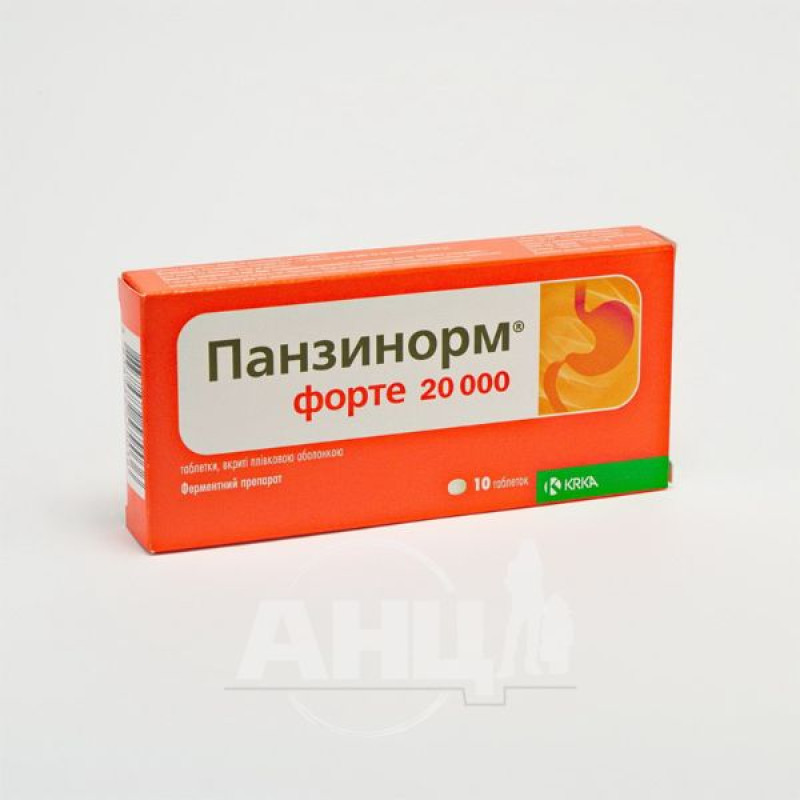
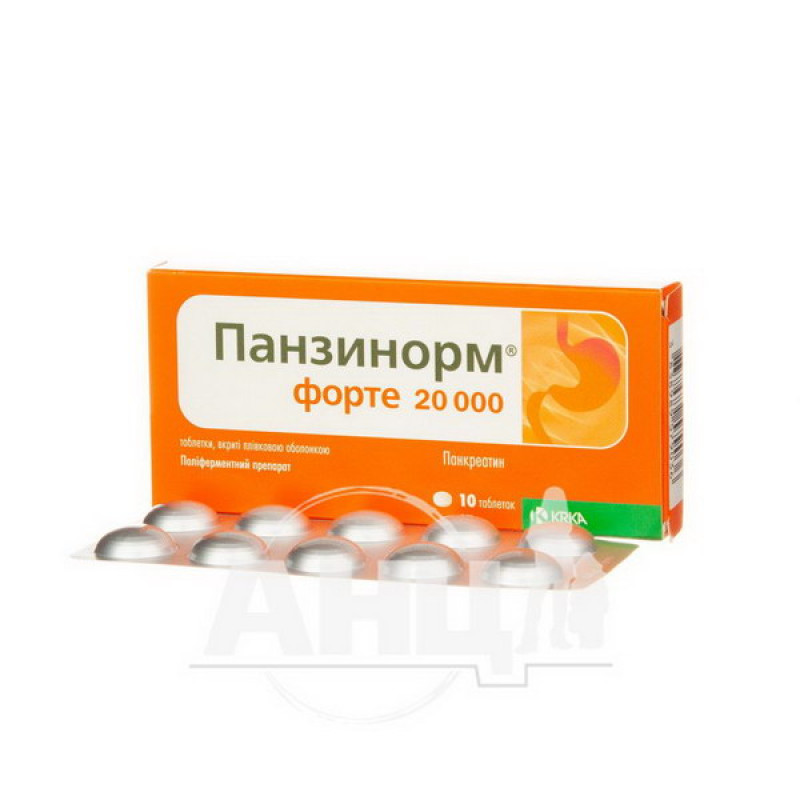
Pancreatin is a powder from the pancreas of a pig, which includes enzymes such as lipase, amylase, trypsin and chymotrypsin, which contribute to the digestion of proteins, fats and carbohydrates in the digestive tract. The key is the enzymatic activity of lipase, as well as the content of trypsin, while amylolytic activity is important only in the treatment of cystic fibrosis, since even with a significant decrease in the secretory activity of the pancreas, amylase exhibits sufficient activity.
The acid-resistant shell protects the active enzymes from the action of gastric juice. Only under the influence of the neutral or slightly alkaline environment of the small intestine does the shell dissolve and the enzymes are released.
Indication
Chronic pancreatitis, cystic fibrosis. conditions after simultaneous resection of the stomach and small intestine, with functional acceleration of the passage of food through the intestines, with intestinal disorders, with simultaneous consumption of indigestible vegetable, fatty and unusual food. Panzinorm Forte 20,000 is also used for intestinal bloating and in preparation for X-ray or ultrasound diagnostic studies.
Application
The dose of Panzinorm Forte 20,000 is determined individually, depending on the severity of pancreatic insufficiency. The usual initial dose is 1-2 tablets with each meal. The tablet is washed down with a sufficient amount (a glass) of water. Depending on the type of food, as well as the degree of indigestion, the dose can be significantly increased. Increasing the dose should be carried out under the supervision of a doctor and at the same time focus on reducing the severity of the manifestations of the disease, for example, steatorrhea or pain syndrome. The maximum daily dose for adults and children over 15 years of age is 9 tablets. The question of increasing the dose of the drug and the duration of treatment is decided by the doctor individually.
Contraindication
With hypersensitivity to pork or other components of the drug; with acute pancreatitis or an acute attack of chronic pancreatitis in the phase of its exacerbation.
Side effects
In patients with cystic fibrosis, especially when using the drug in high doses, increased excretion of uric acid in the urine may be noted, therefore, to prevent the formation of uric acid stones in such patients, it is necessary to control the level of uric acid in the urine. In some cases, immediate allergic reactions have been reported after taking pancreatin, such as skin rash, sneezing, lacrimation, bronchospasm. When using pancreatin in high doses, strictures may form in the ileocecal and ascending parts of the large intestine in patients with cystic fibrosis.
Special instructions
Intestinal obstruction is a known complication in patients with cystic fibrosis, so if symptoms resembling this condition are present, the possibility of intestinal strictures should be considered.
The drug contains active enzymes that can damage the oral mucosa, so the tablets should be swallowed whole, without chewing, with sufficient liquid.
This medicine contains lactose and should not be used in patients with rare hereditary problems of galactose intolerance, the Lapp lactase deficiency or glucose-galactose malabsorption.
Use during pregnancy or breastfeeding. The drug is recommended to be used only as prescribed by a doctor in cases where the expected benefit to the mother outweighs the potential risk to the fetus or child.
Ability to influence the reaction rate when driving vehicles or working with other mechanisms. No effect on the ability to drive vehicles and work with mechanisms was observed.
Children: Not recommended for use in children under 15 years of age as the tablet is film-coated and cannot be divided.
Interactions
Pancreatic enzymes inhibit the absorption of folic acid, which may require additional intake into the body.
Pancreatic enzymes may reduce iron absorption, but the clinical significance of this interaction is unknown.
The acid-resistant film coating of Panzinorm forte 20,000 tablets is destroyed in the duodenum. If the acidity of the duodenal contents is too high, the enzymes will be released untimely. Reducing the secretion of gastric acid is achieved by the use of H 2 receptor inhibitors or proton pump inhibitors, increases the effectiveness of enzyme intake in some patients and makes it possible to reduce the dose of Panzinorm forte 20,000.
Overdose
There are no data on systemic intoxication in case of overdose. Overdose can cause nausea, vomiting, diarrhea, hyperuricemia, hyperuricosuria and uricosuria, perianal itching and very rarely, mainly only in patients with cystic fibrosis, fibrosing colonopathy. In case of overdose, the tablets should be discontinued, hydration of the body and symptomatic treatment are recommended.
Storage conditions
In original packaging.