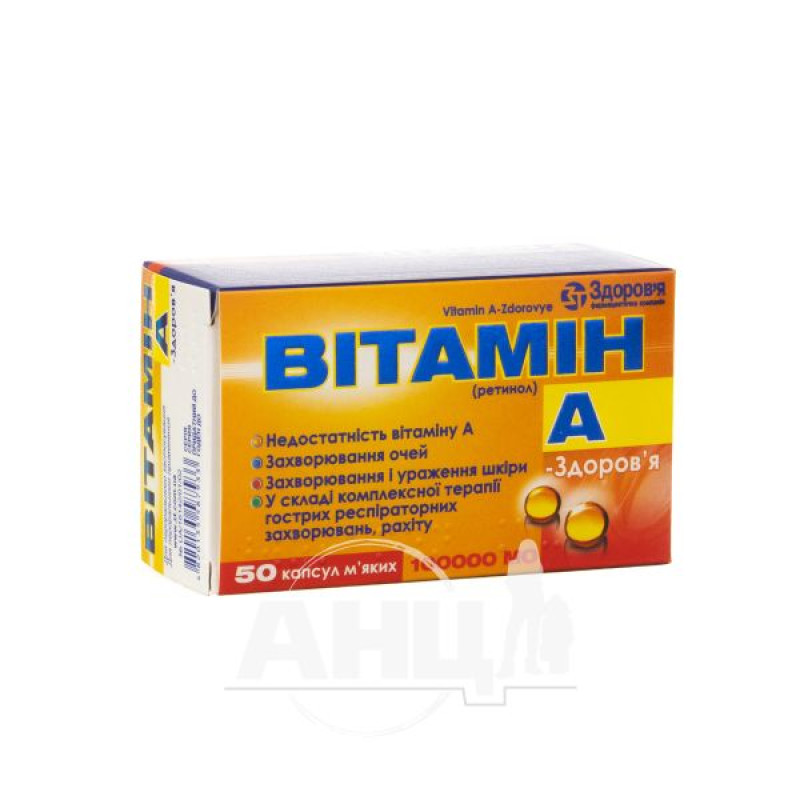
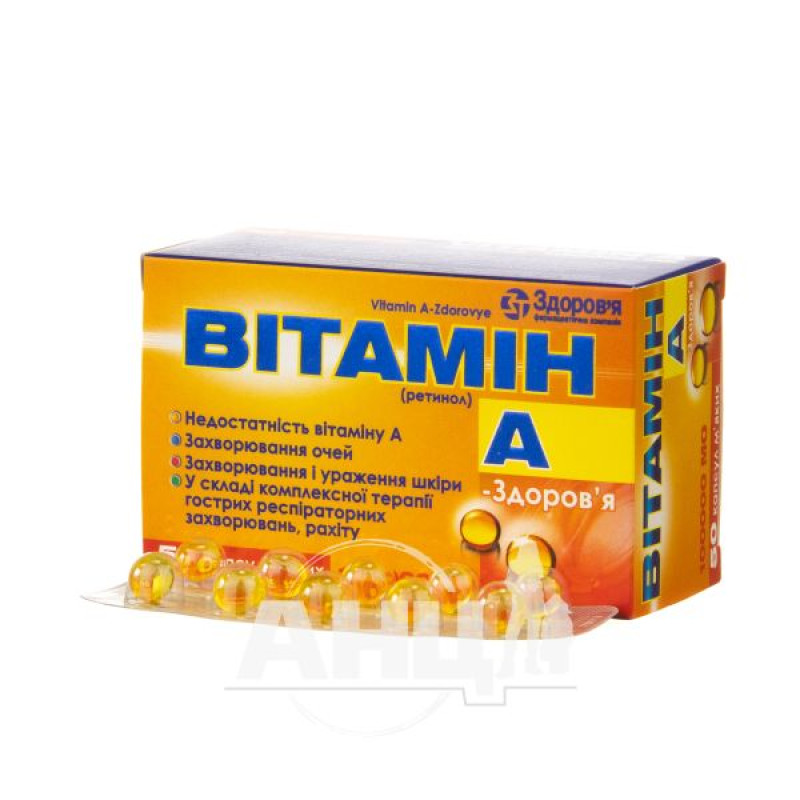
Vitamin A has a general strengthening effect, normalizes tissue metabolism: participates in redox processes (due to the large number of unsaturated bonds), in the synthesis of mucopolysaccharides, proteins, lipids, in mineral metabolism, in the processes of formation of xs. enhances the production of lipase and trypsin, enhances myelopoiesis, processes of cell division. has a positive effect on the function of the lacrimal, sebaceous and sweat glands; increases resistance to diseases of the mucous membrane of the respiratory tract and intestines; increases the body's resistance to infections. enhances the reproduction of epithelial skin cells, rejuvenates the cell population and reduces the number of cells that go through terminal differentiation, inhibits keratinization processes, enhances the synthesis of glycosaminoglycans, activates the interaction of immunocompetent cells with each other and with cells of the epidermis. stimulates skin regeneration. Retinol is a necessary component for the normal function of the retina: it binds to opsin (the red pigment of the retina), forming visual purple - rhodopsin, which is necessary for visual adaptation in the dark.
The local effect is mediated by the presence of specific retinol-binding receptors on the surface of epithelial cells.
Vitamin A is almost completely absorbed in the intestine (mainly in the duodenum and rectum). After taking the drug, C max in blood plasma is observed after 4 hours. Retinol is distributed unevenly in the body. Its greatest amount is found in the liver and retina, it is determined in the kidneys, fat depots, adrenal glands and other endocrine glands. Retinol metabolism products are excreted by the kidneys. T ½ - 9.1 hours. Retinol is not determined in the urine of a healthy person, since it is excreted in the bile.
Indication
Treatment of avitaminosis A and hypovitaminosis A.
Eye diseases: retinitis pigmentosa, xerophthalmia, hemeralopia, eczematous lesions of the eyelids, superficial keratitis, corneal lesions, conjunctivitis, pyoderma.
Skin diseases and lesions: frostbite, burns, wounds, ichthyosis, follicular dyskeratosis, senile keratosis, skin tuberculosis, psoriasis, some forms of eczema.
Complex therapy for rickets, collagenosis, and hypotrophy.
As part of complex therapy for acute respiratory diseases that occur against the background of exudative diathesis, chronic diseases of the respiratory system; inflammatory, erosive-ulcerative lesions of the intestines, cirrhosis of the liver.
Composition
Active ingredient: retinol;
For a dose of 33,000 IU
1 soft capsule contains vitamin A 33,000 IU; Excipients: sunflower oil; Capsule shell containing: gelatin, glycerin, methylparaben (E 218), propylparaben (E 216), azorubine (E 122);
For a dose of 100,000 IU
1 soft capsule contains vitamin A 100,000 IU; Excipients: sunflower oil; Capsule shell containing: gelatin, glycerin, methylparaben (E 218), propylparaben (E 216).
Contraindication
Hypersensitivity to the components of the drug, acute and chronic nephritis, heart failure of II–III degree, cholelithiasis, chronic pancreatitis, hypervitaminosis A, retinoid overdose, hyperlipidemia, obesity, chronic alcoholism, sarcoidosis (including history).
Methods of application
Retinol acetate is used for therapeutic purposes in adults with moderate and mild avitaminosis. Administer the drug orally 10-15 minutes after meals.
Given the ability of vitamin A to accumulate in the body, before taking the drug, you should pay attention to the dose of retinol palmitate (especially for capsules of 100,000 IU).
The highest daily dose for adults should not exceed 100,000 IU.
For therapeutic purposes, in case of mild and moderate avitaminosis, adults are prescribed up to 33,000 IU/day, in case of eye diseases - 33,000-100,000 IU/day. In case of skin diseases, adults are prescribed 33,000-100,000 IU/day.
The dose and duration of treatment with Vitamin A are determined individually by the doctor.
Special instructions
The drug has the property of accumulating and remaining in the body for a long time, therefore, the drug should not be taken simultaneously with other drugs that contain vitamin A. Long-term daily use of the drug, especially in high doses due to accumulation in the body, can provoke the development of hypervitaminosis A.
Use the drug with caution in diseases accompanied by blood clotting disorders or those accompanied by loss of calcium in the body, in severe liver damage, acute and chronic hepatitis. To monitor liver function before and during treatment, a biochemical blood test should be performed.
It is not recommended to use the drug during long-term therapy with tetracyclines.
Retinol should be taken 1 hour or 4-6 hours after taking cholestyramine.
For normal absorption of vitamin A, the presence of fats in food is a necessary condition.
Alcohol and tobacco abuse disrupts the absorption of the drug in the gastrointestinal tract.
Pregnancy and breastfeeding
Given the high dose of vitamin A, the drug is contraindicated during pregnancy and breastfeeding.
Children
The drug is contraindicated in children.
Drivers
There is no data on the effect of the drug on the ability to drive vehicles or operate complex mechanisms.
Symptoms: severe headache, dizziness; drowsiness, confusion, visual impairment, convulsions, uncontrollable vomiting, profuse diarrhea, severe dehydration, irritability; on the 2nd day, a widespread rash appears with subsequent large-scale peeling, starting from the face; bleeding gums, dryness and ulceration of the oral mucosa, peeling lips, palpation of long tubular bones is sharply painful due to subperiosteal hemorrhages, pain in the joints and muscles.
Treatment: symptomatic; as an antidote, prescribe thyroxine, as well as ascorbic acid.
Side effects
Gastrointestinal tract: loss of appetite, dry mouth, stomach pain, vomiting, nausea.
From the liver and biliary system: hepatotoxic phenomena, portal hypertension.
On the part of the skin and subcutaneous tissue: cracks and dryness of the skin, lips, yellow-orange spots on the soles, palms, in the nasolabial triangle area, subcutaneous edema, in some cases, on the 1st day of use, itchy maculopapular rashes may occur, in which case it is necessary to discontinue use of the drug.
From the nervous system: asthenia, excessive fatigue, drowsiness, discomfort, headache, irritability, intraocular hypertension, visual impairment, gait disturbance.
From the endocrine system: oligomenorrhea.
From the urinary system: pollakiuria, nocturia, polyuria.
From the blood system: hemolytic anemia.
Musculoskeletal system: bone pain, changes in bone X-ray, cramps.
Others: hyperthermia, hair loss, photosensitivity, weight loss, hypercalcemia; hypersensitivity reactions are possible when using the drug.
With a decrease in the dose or with temporary discontinuation of the drug, side effects resolve on their own.
In skin diseases, the use of the drug in high doses after 7-10 days of treatment may be accompanied by an exacerbation of the local inflammatory reaction, which requires additional therapy and subsequently decreases. This effect is associated with the myelo- and immunostimulating effect of the drug.
Interaction
Estrogens and oral contraceptives containing them increase the absorption of retinol, which can lead to the development of hypervitaminosis A. Cholestyramine, colestipol, mineral oils, neomycin reduce the absorption of vitamin A (it may be necessary to increase its dose). Nitrites impair the absorption of retinol.
During long-term tetracycline therapy, it is not recommended to prescribe vitamin A in high doses (≥50,000 IU) due to the increased risk of developing intracranial hypertension. Retinol weakens the effect of Ca 2+ drugs, increases the risk of developing hypercalcemia. Isotretinoin increases the risk of toxic effects.
Vitamin E reduces the toxicity, absorption, and hepatic deposition of vitamin A; high doses of vitamin E can deplete vitamin A stores in the body. Retinol reduces (mutually) the risk of hypervitaminosis D. Corticosteroids and alcohol consumption reduce the therapeutic effect of the drug. Simultaneous administration of vitamin A and anticoagulants increases the tendency to bleed. Retinol reduces the anti-inflammatory effect of glucocorticoids.
Storage conditions
At a temperature not exceeding 25 °C.